Commercial Units for Sale in London
274 properties found within 100 miles
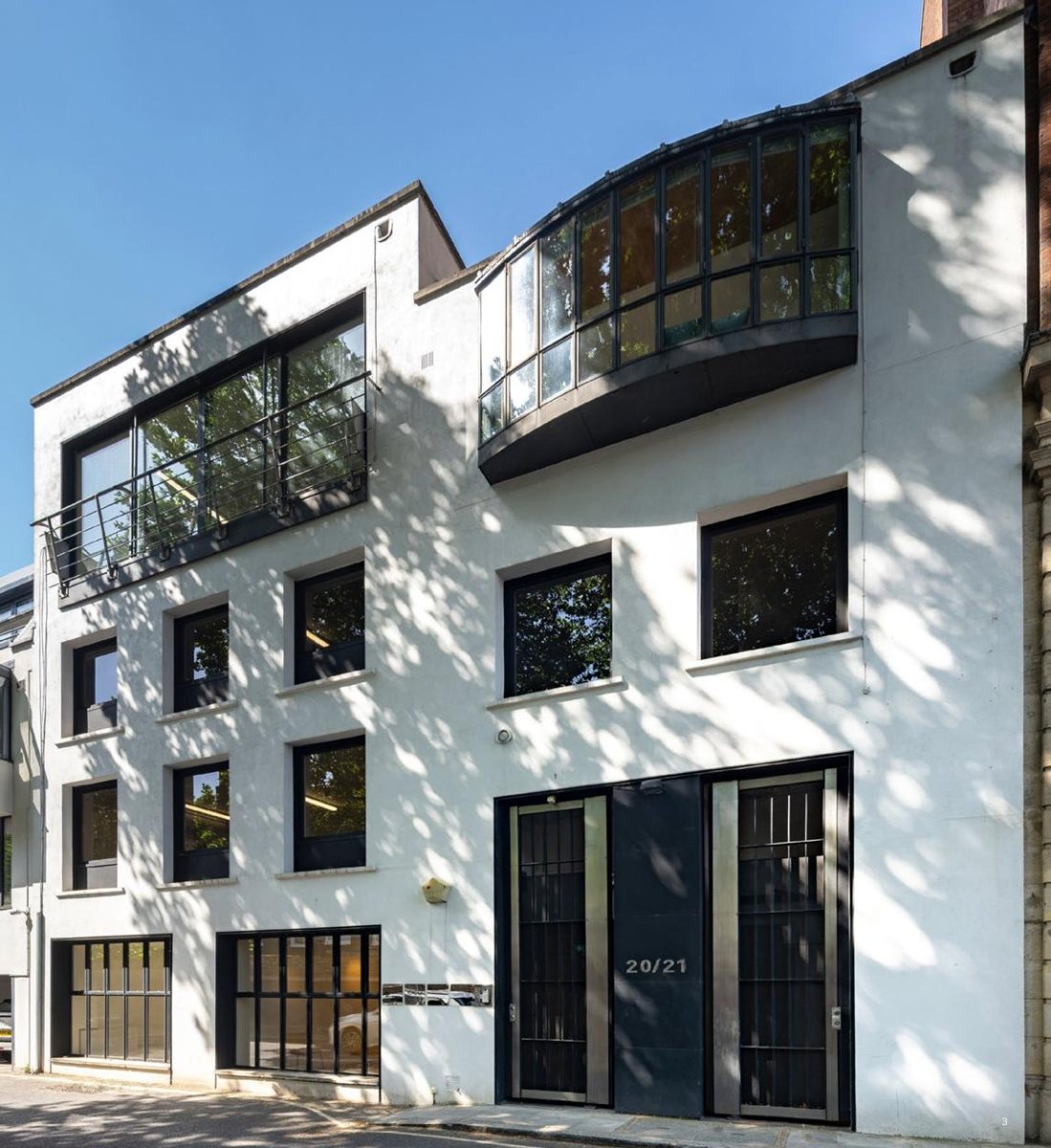

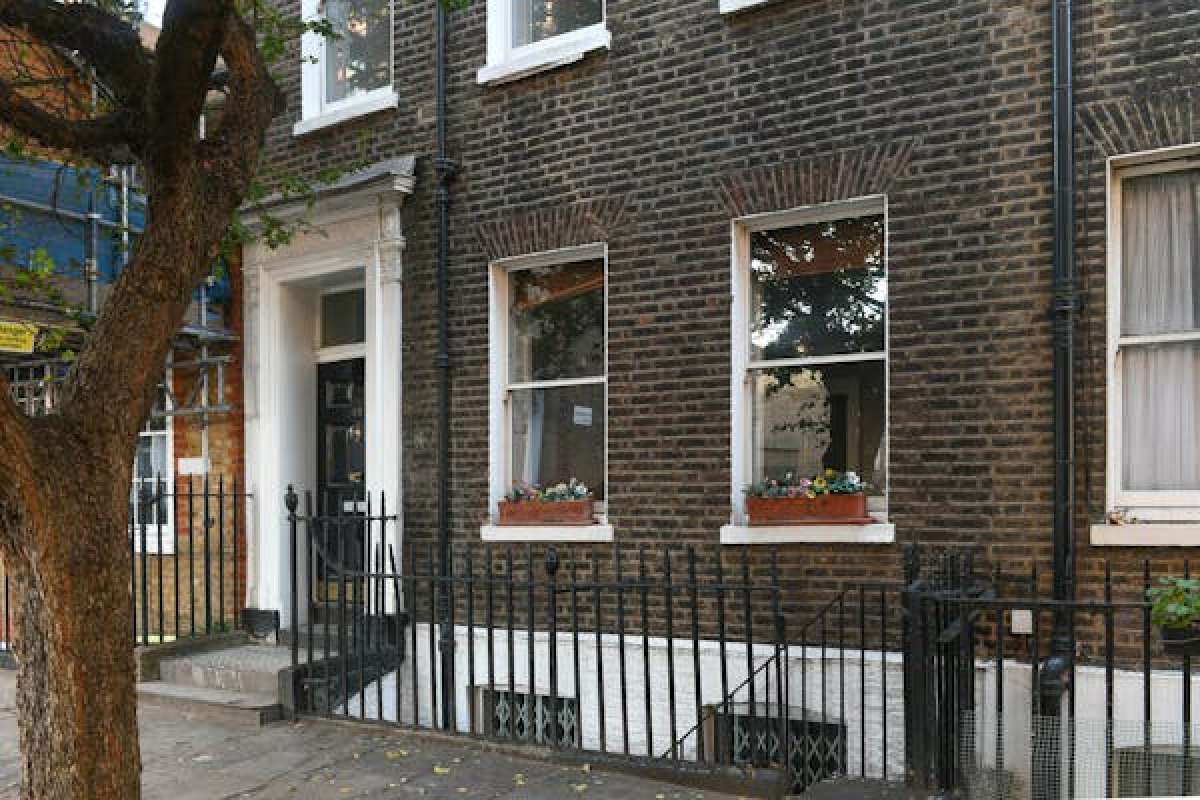

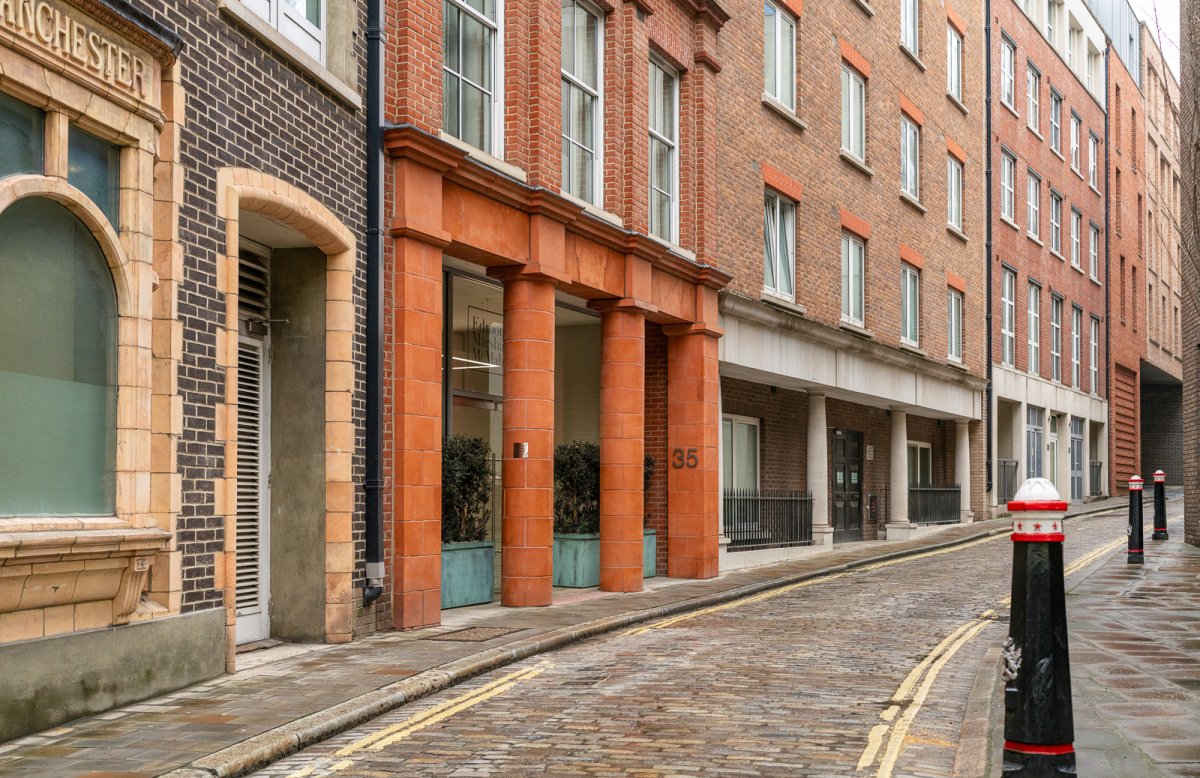

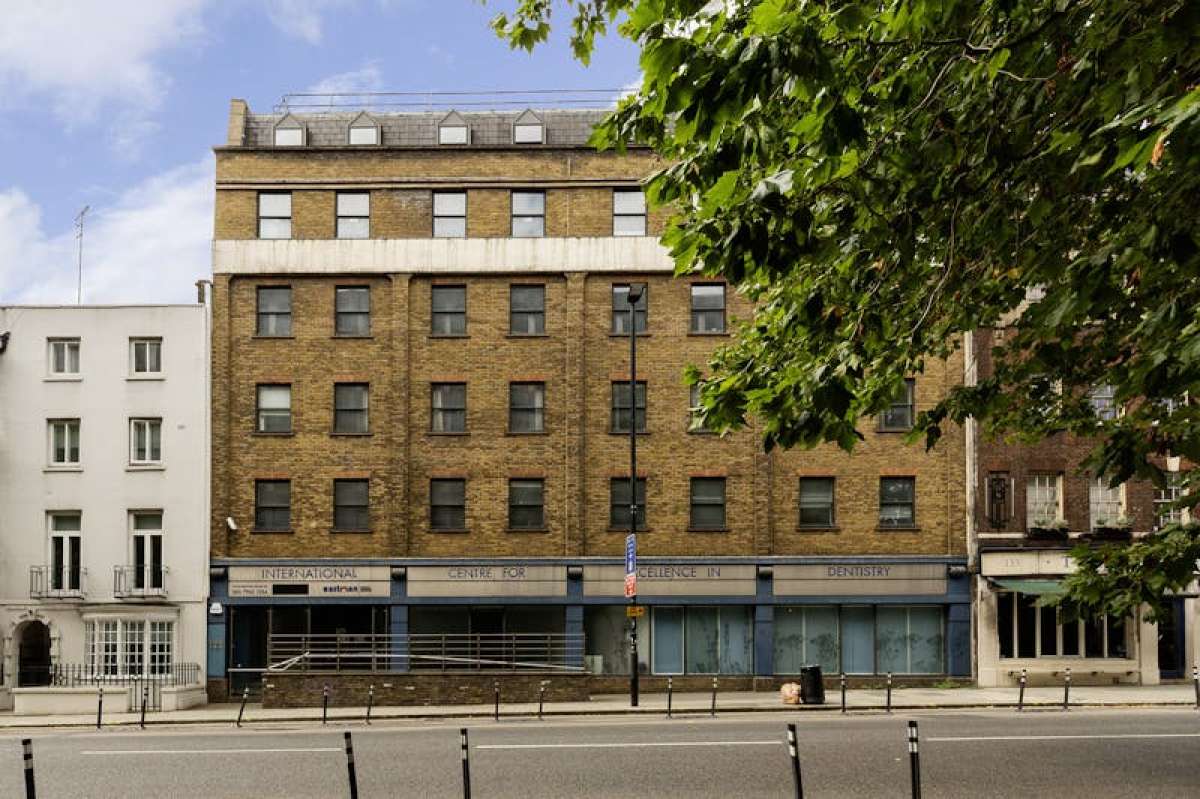


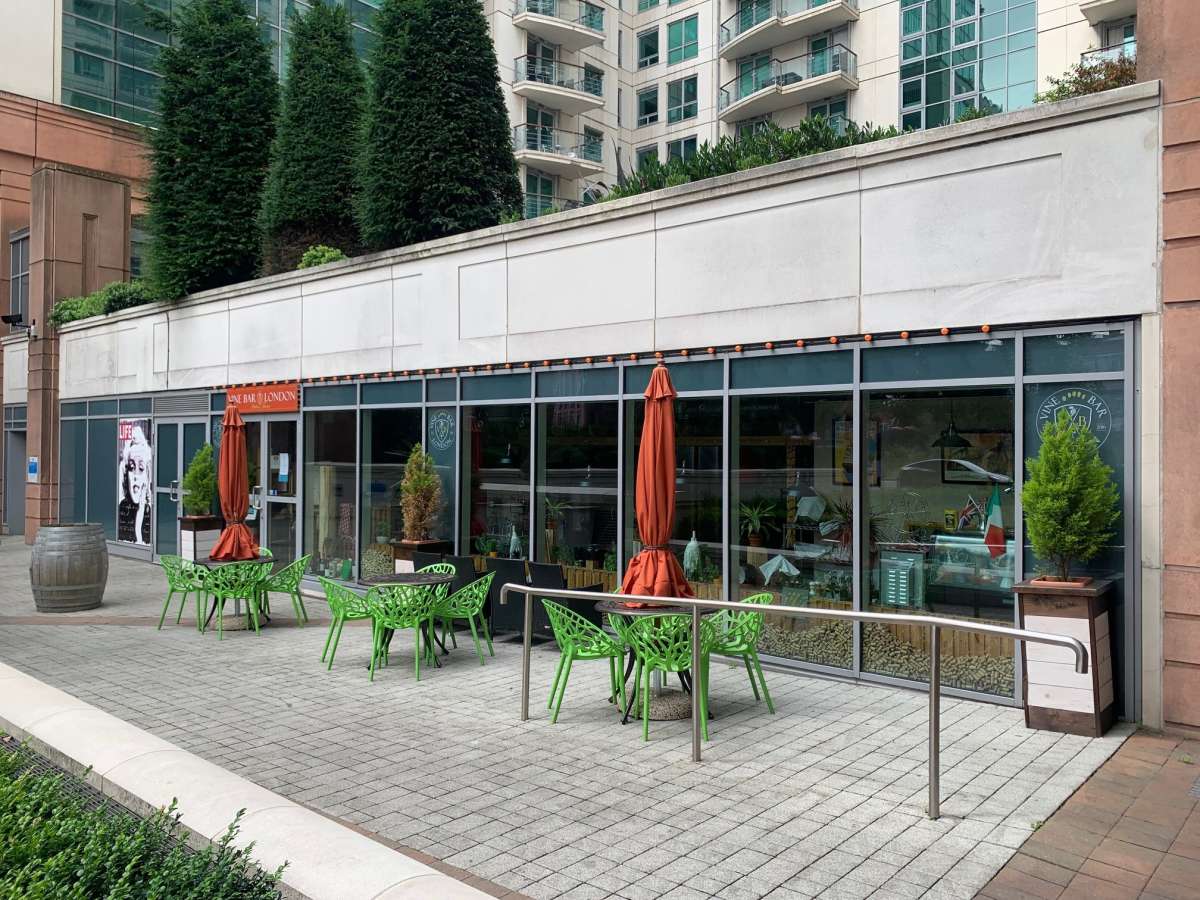
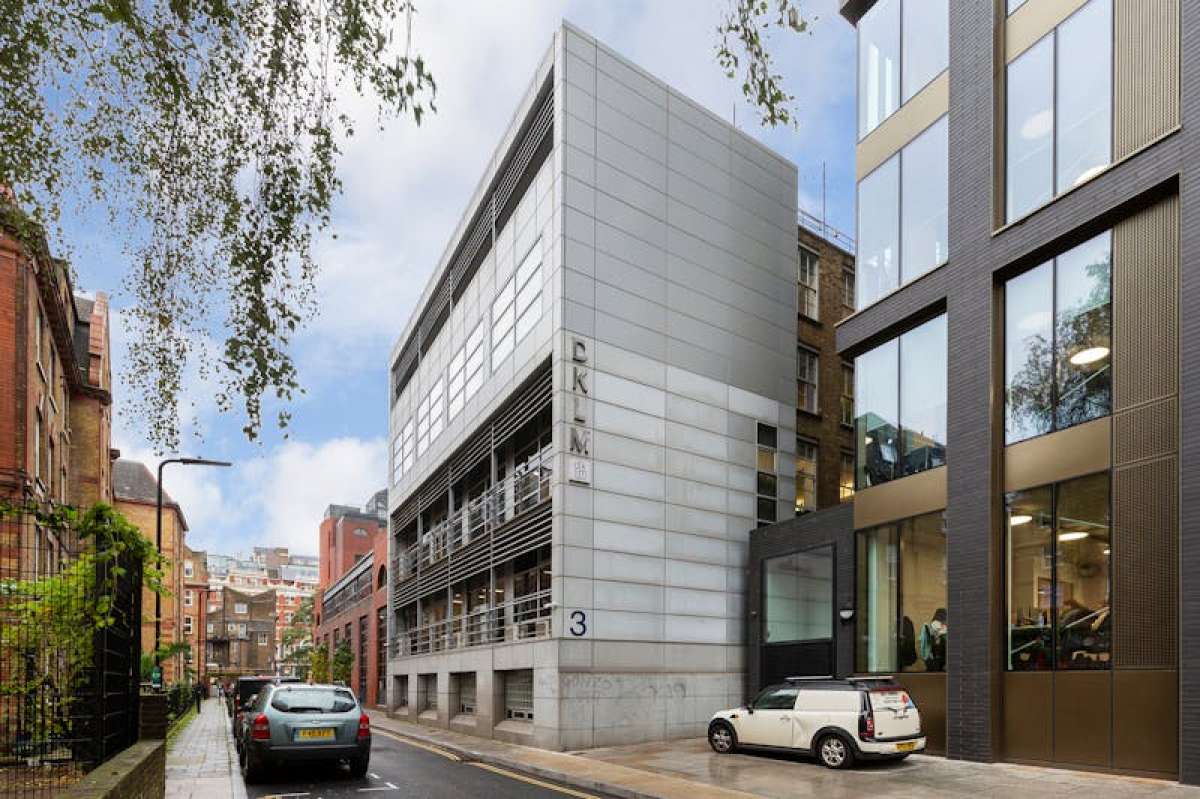
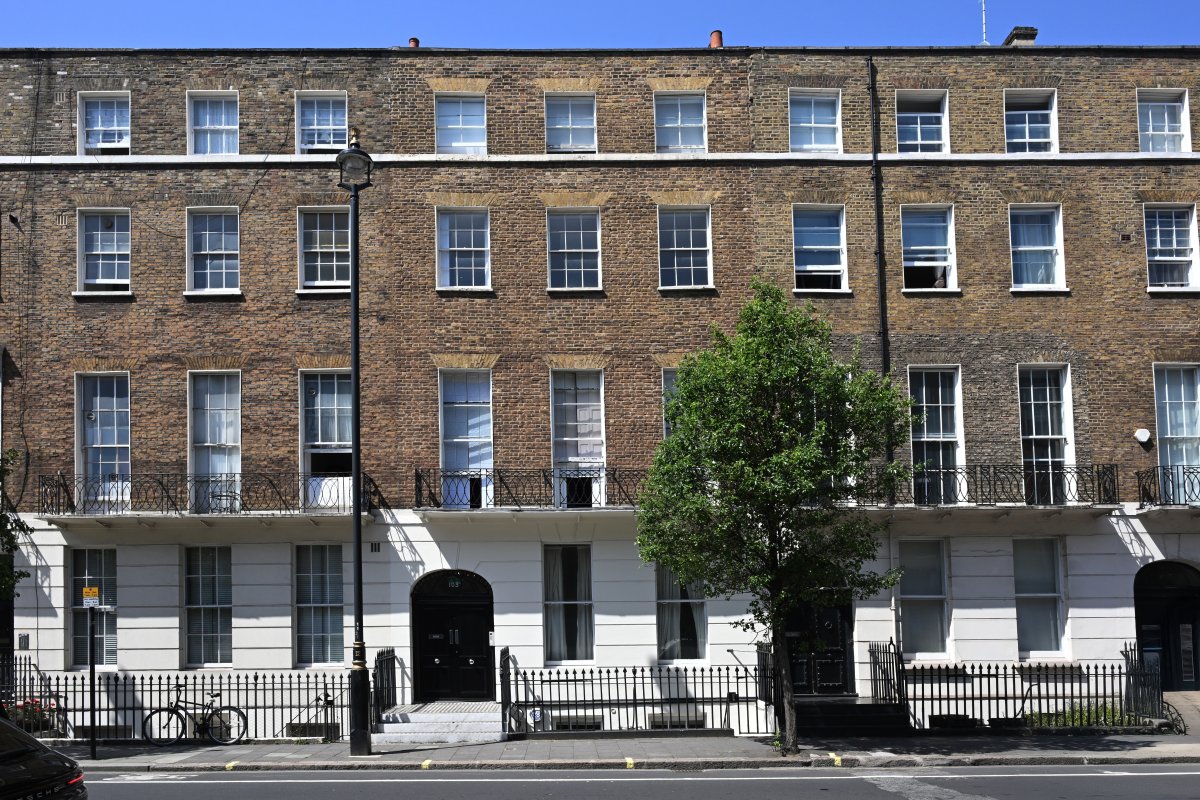
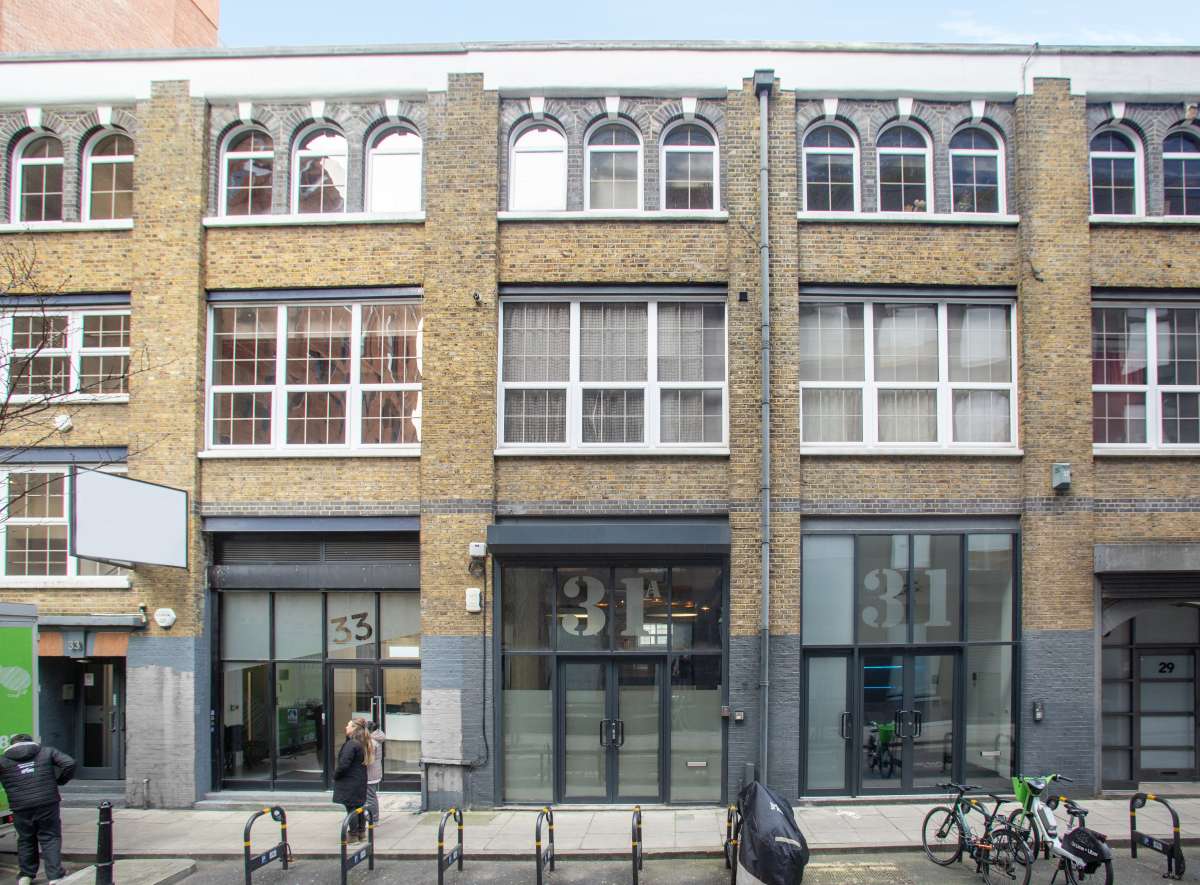

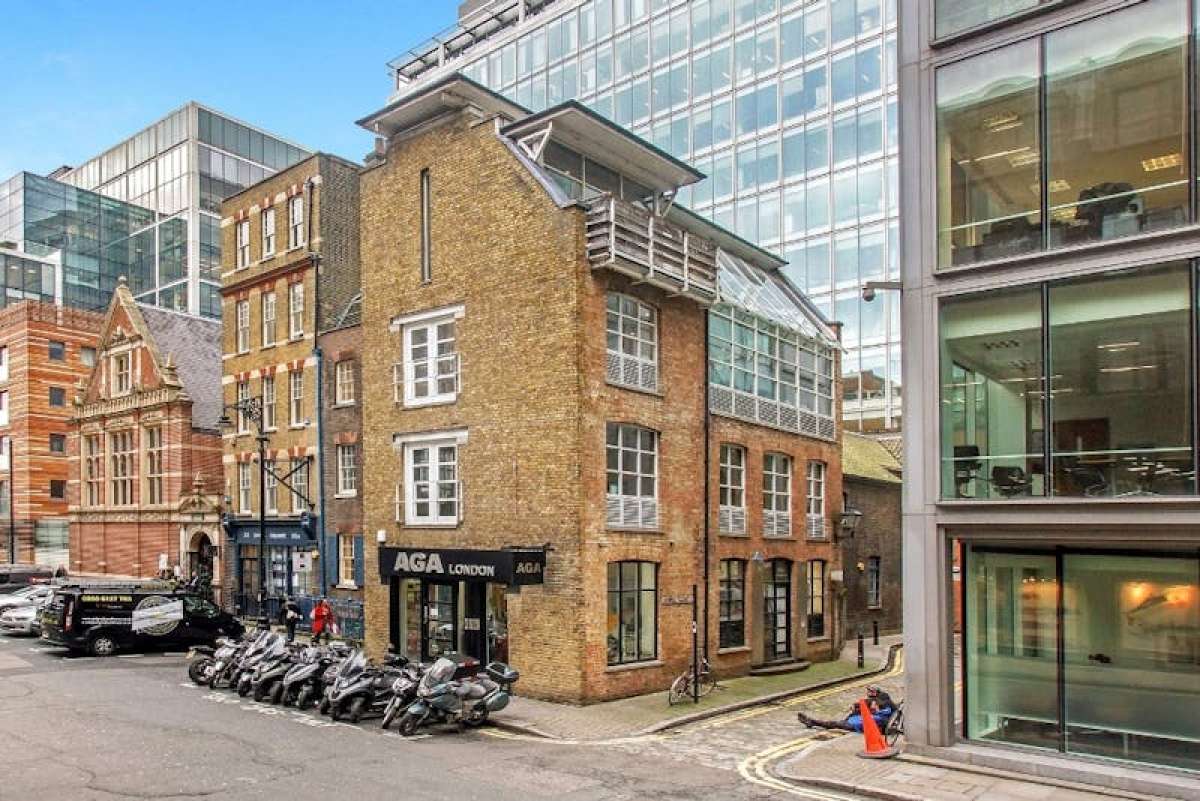
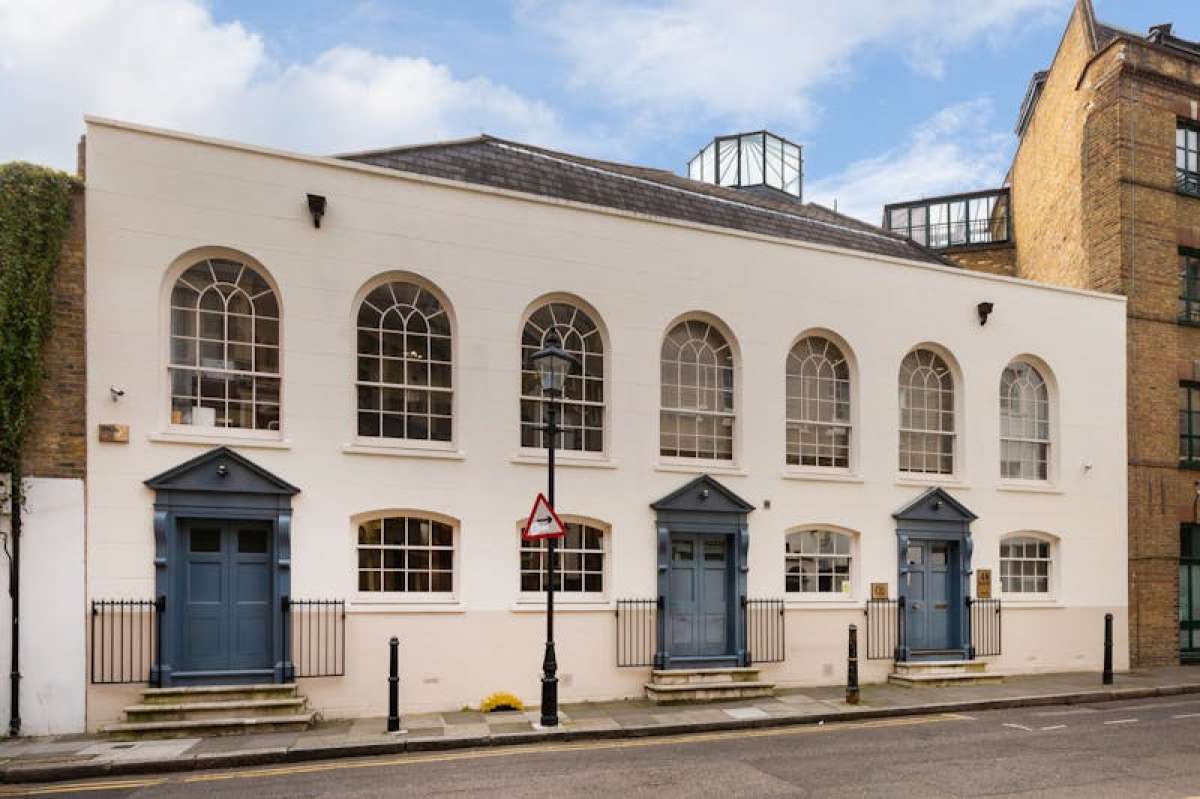
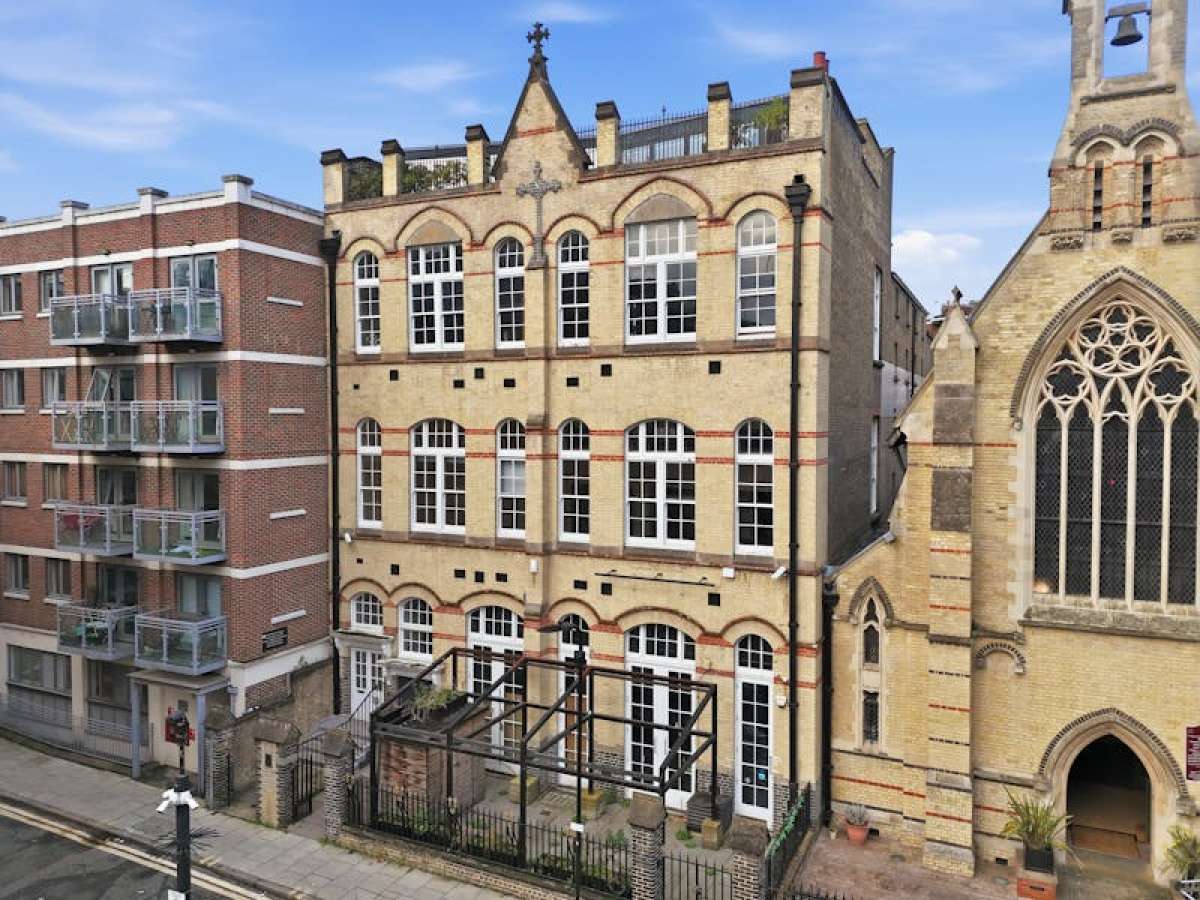
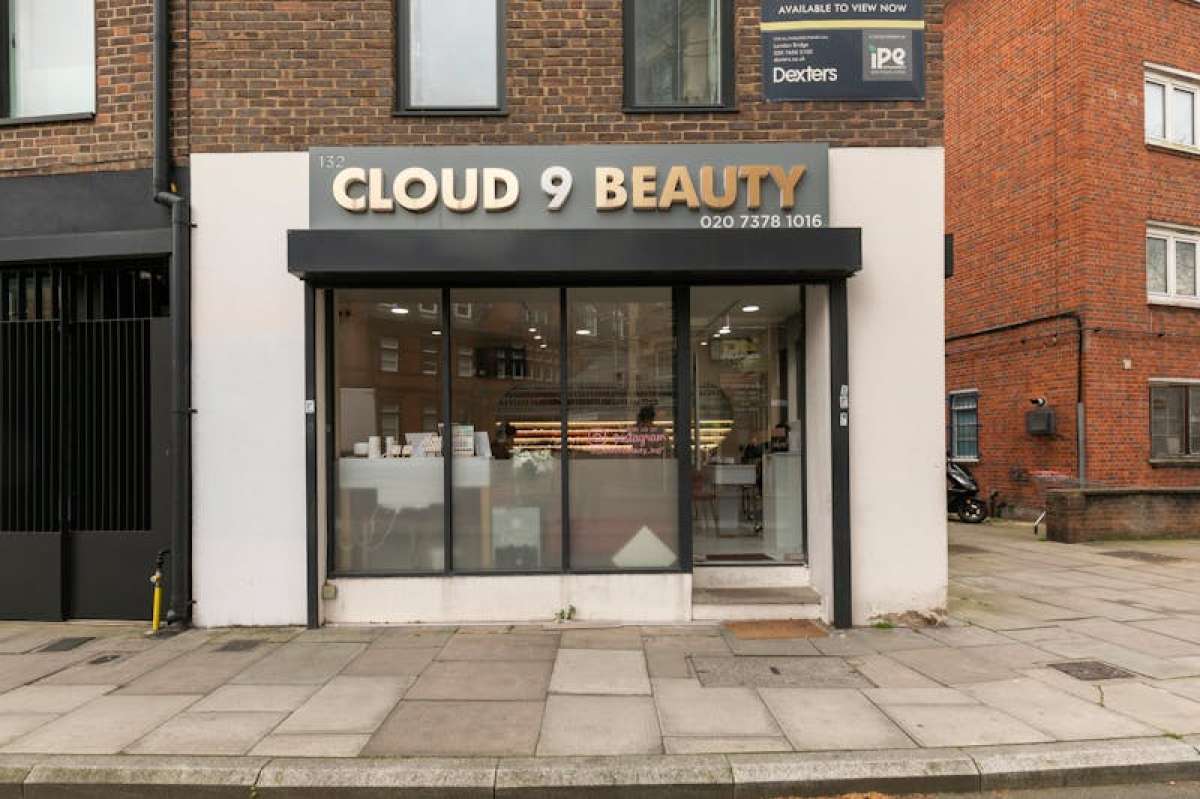
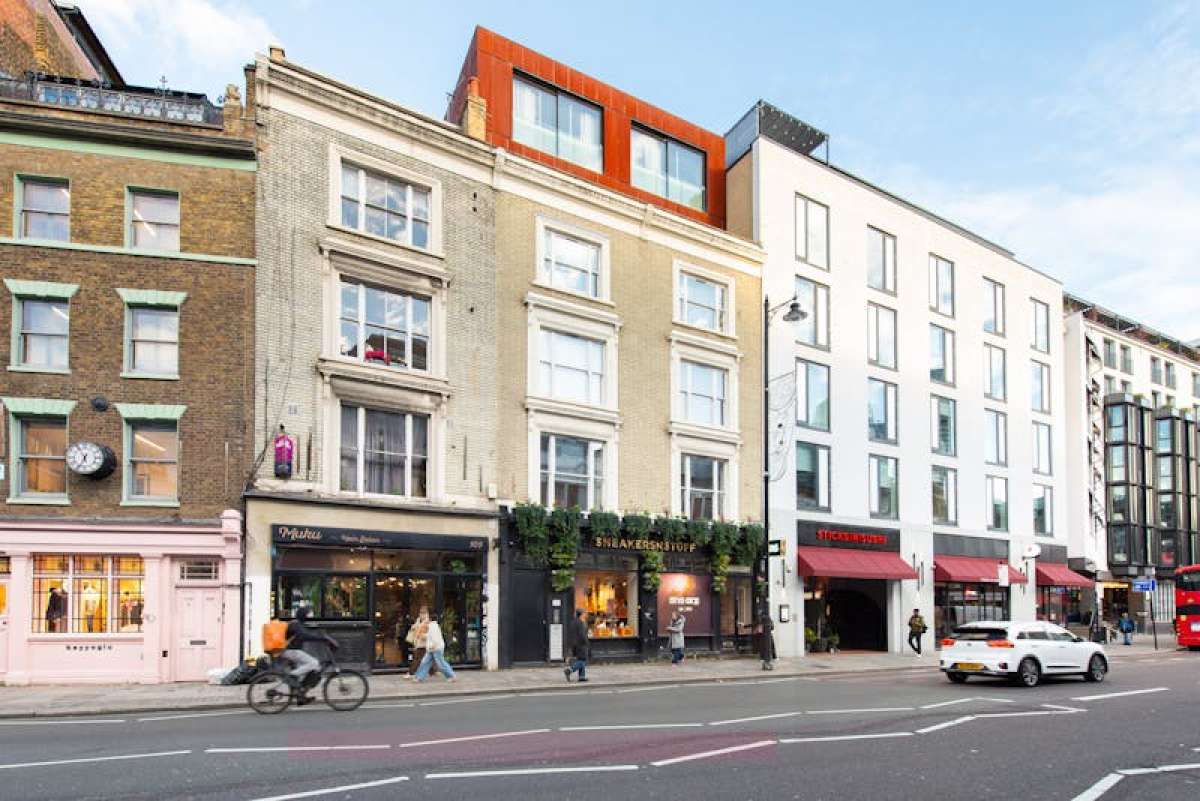
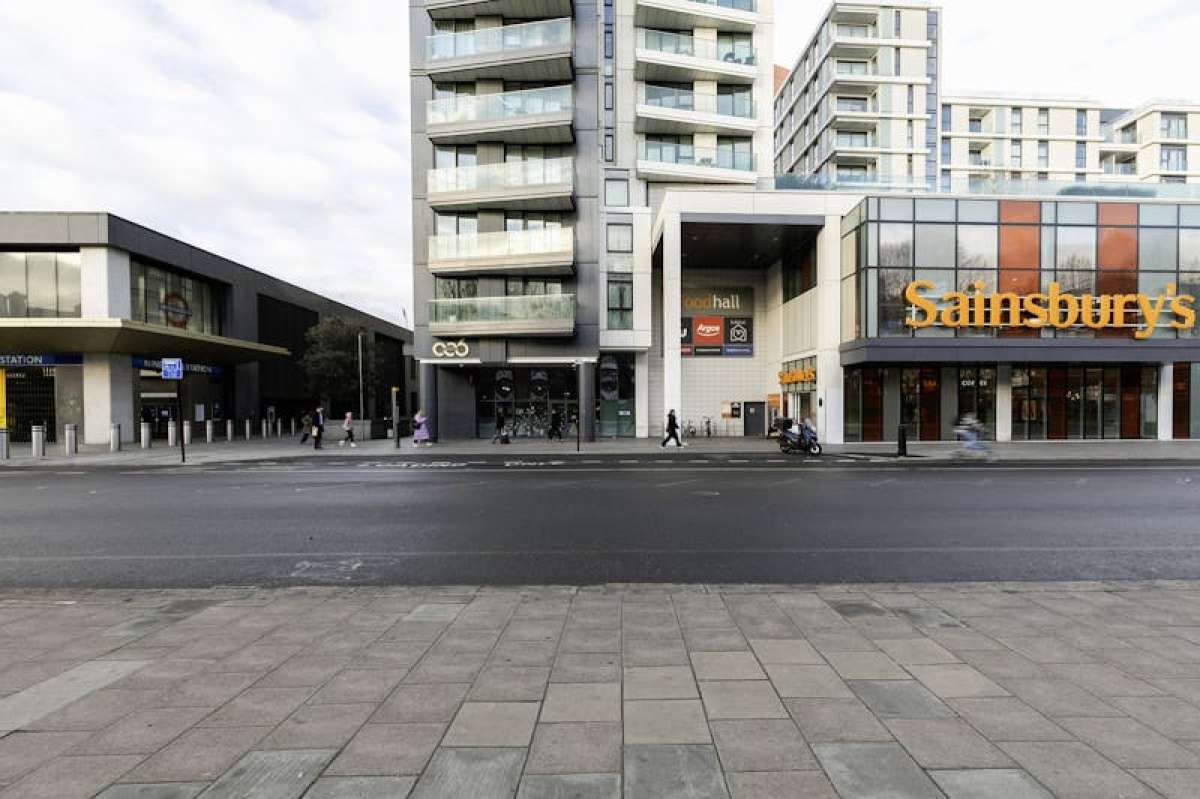
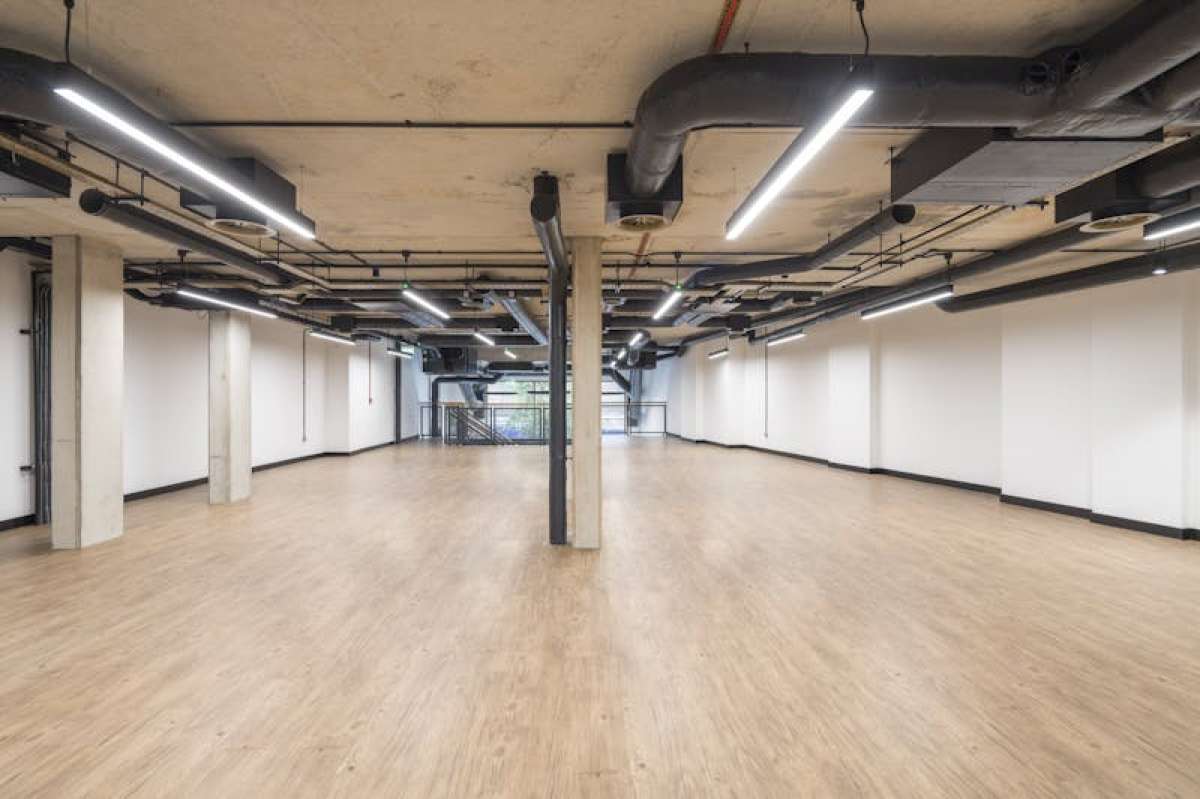
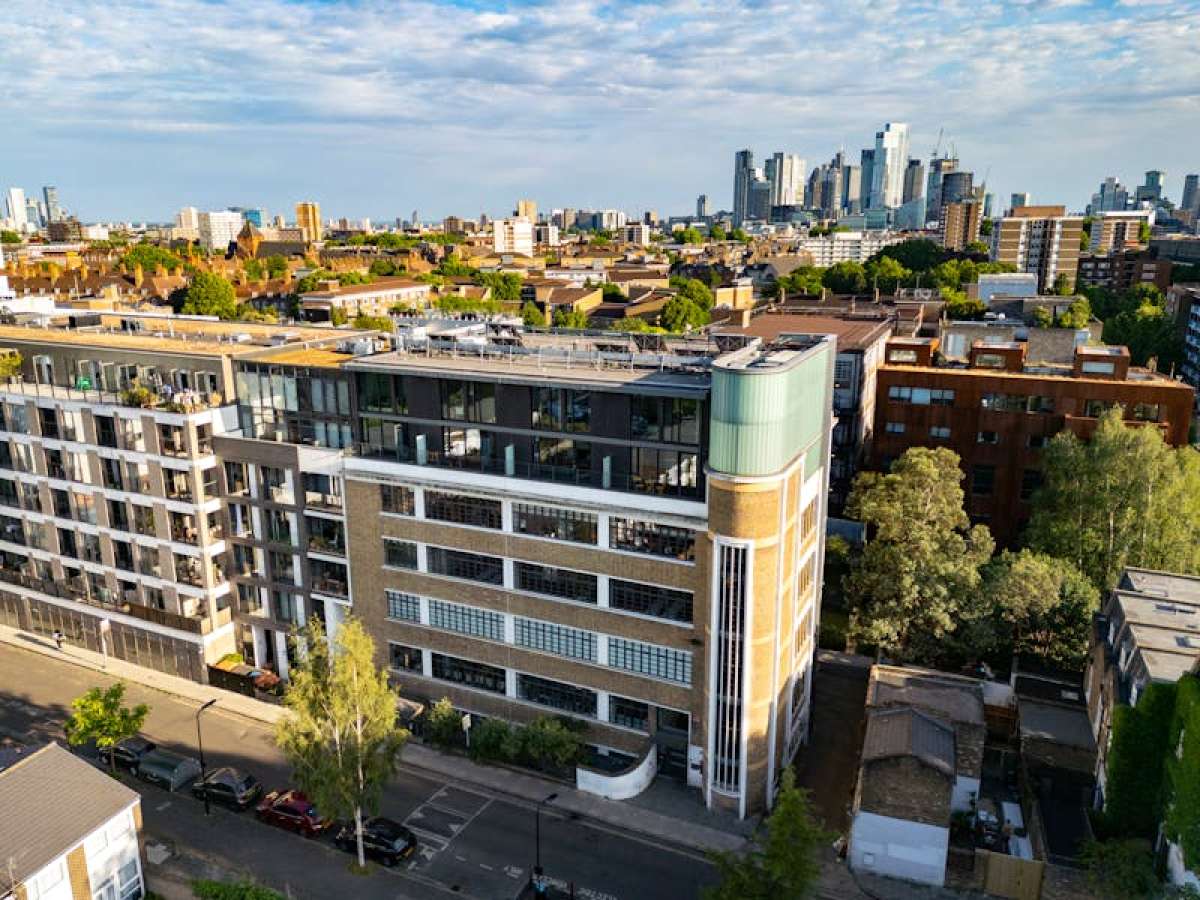
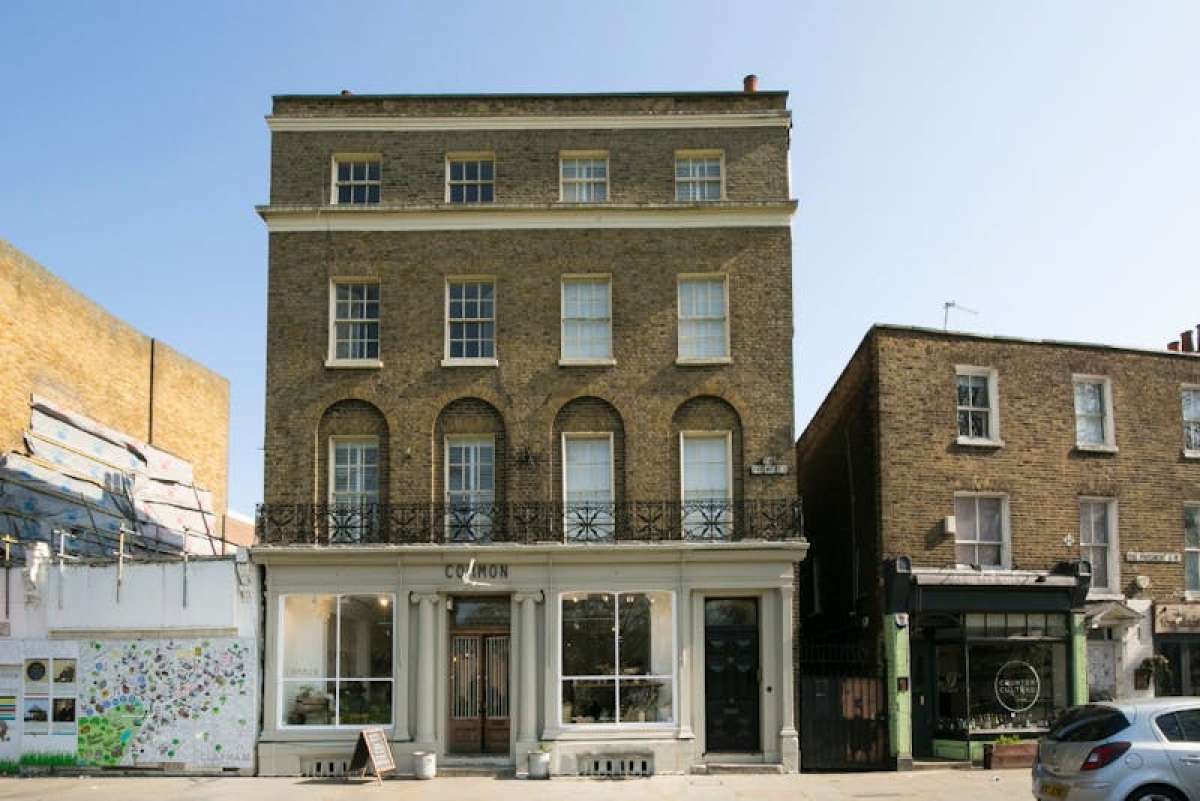
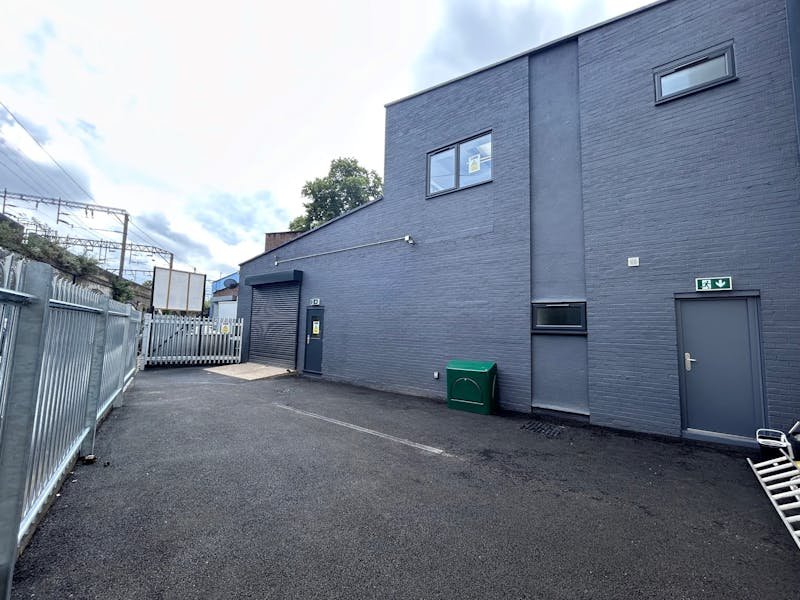
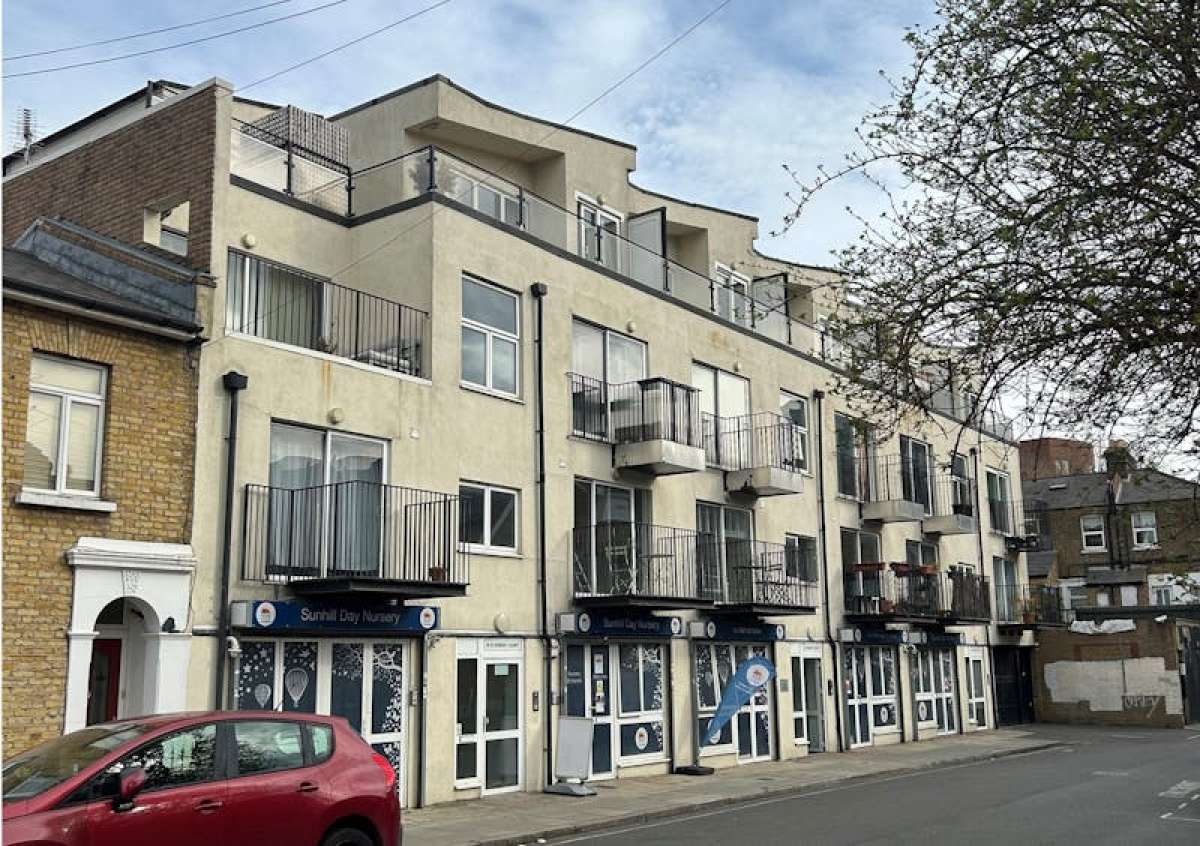
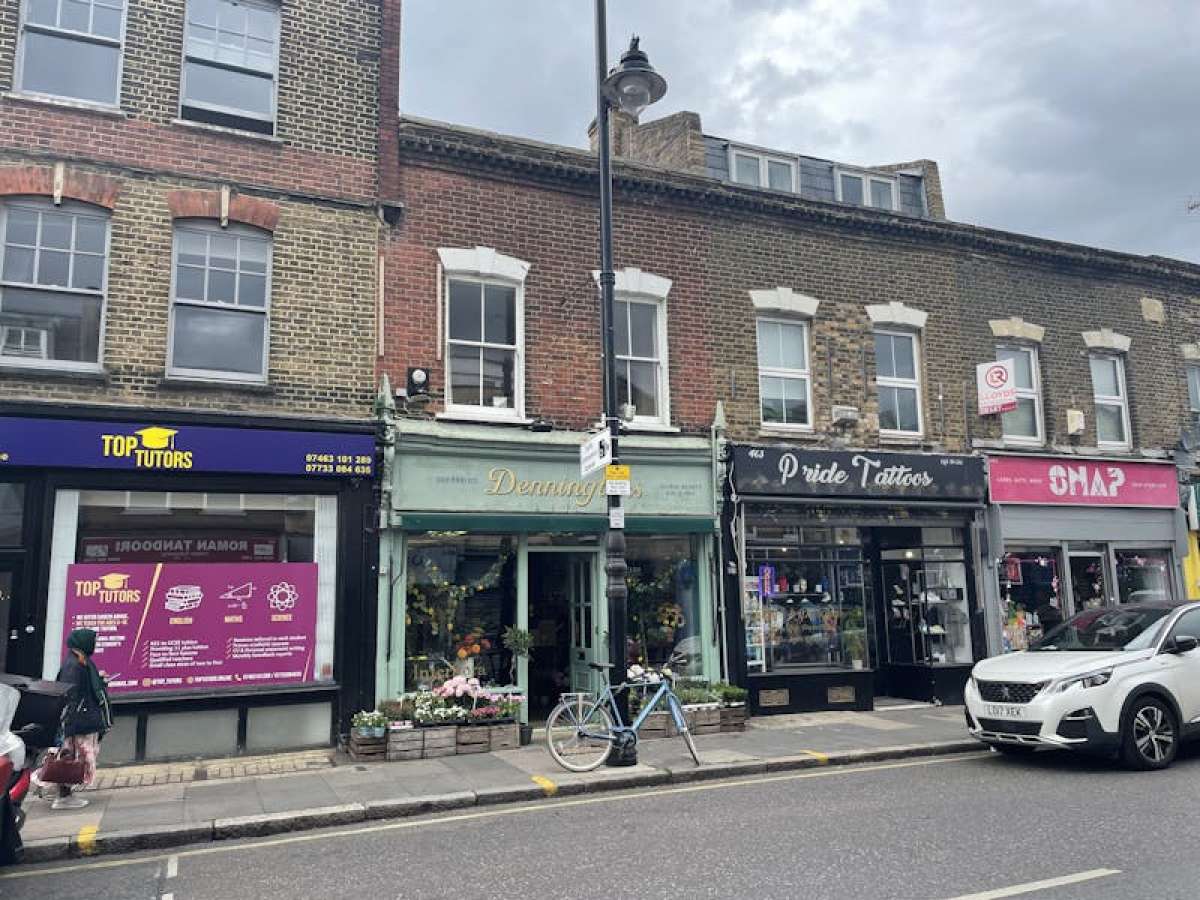







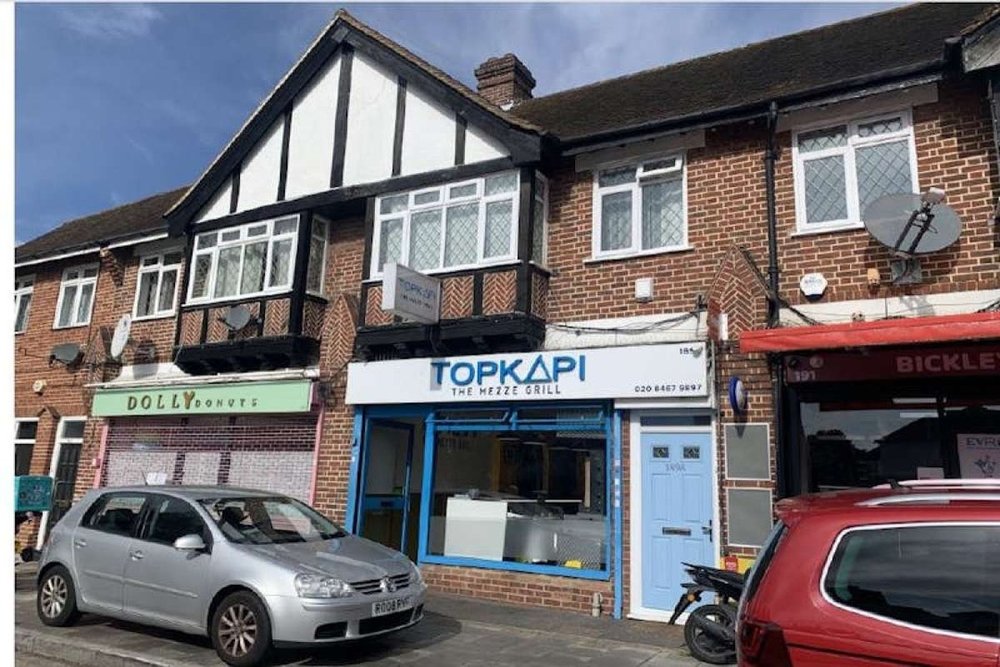
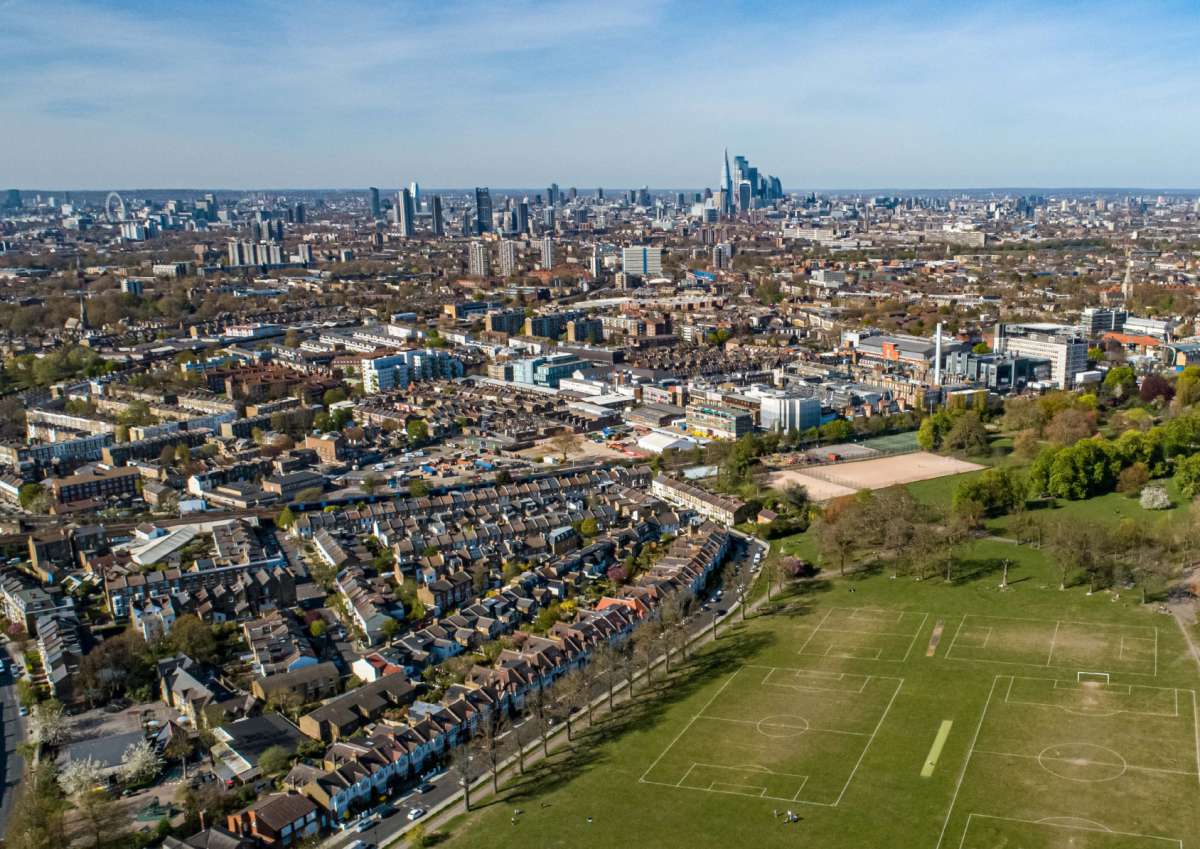
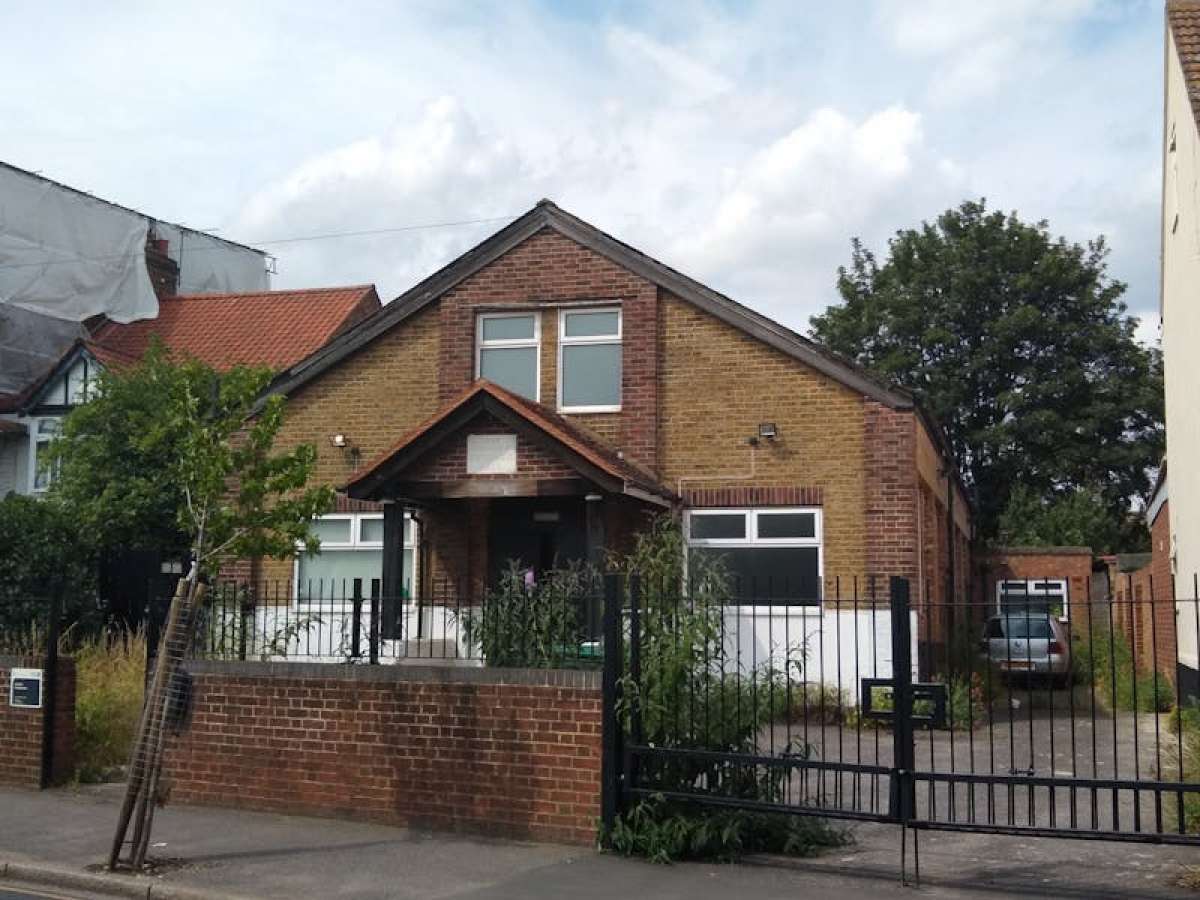
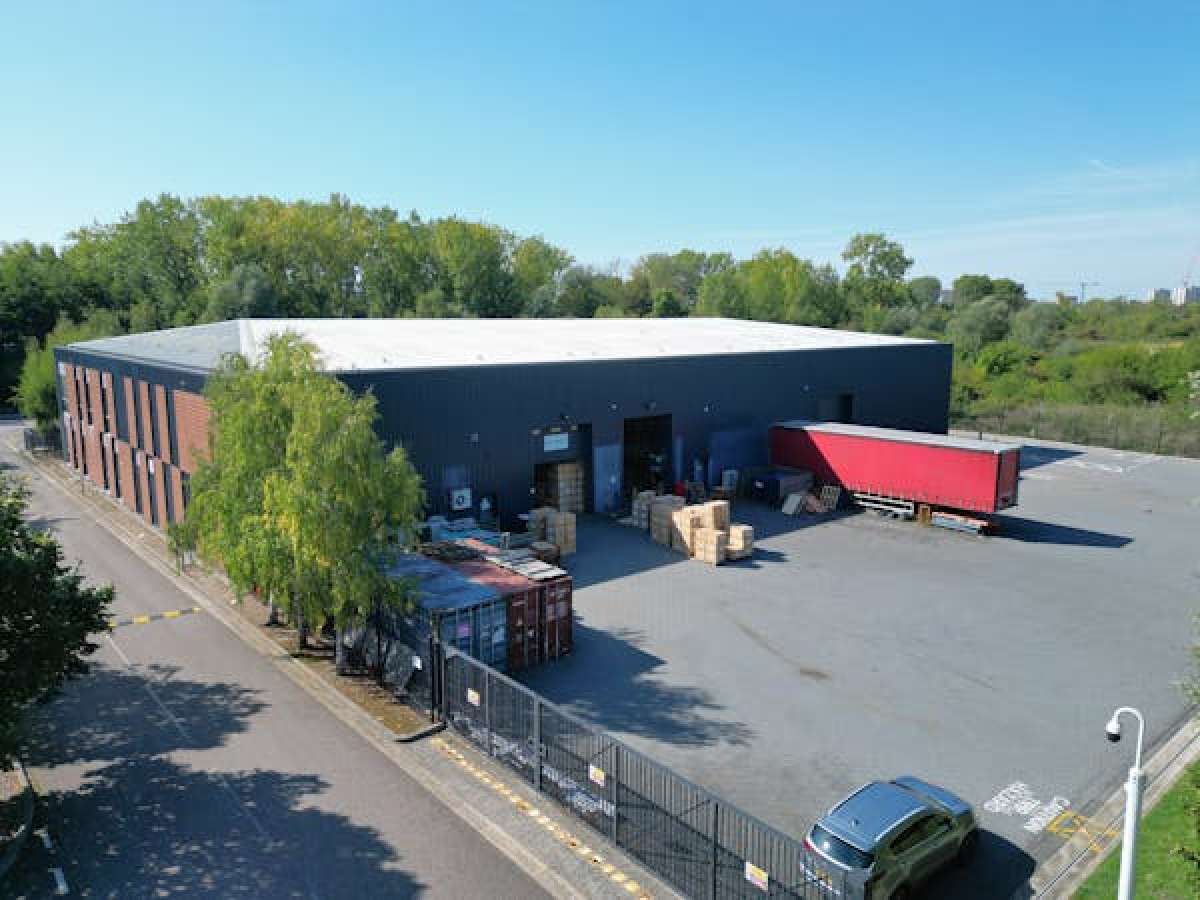




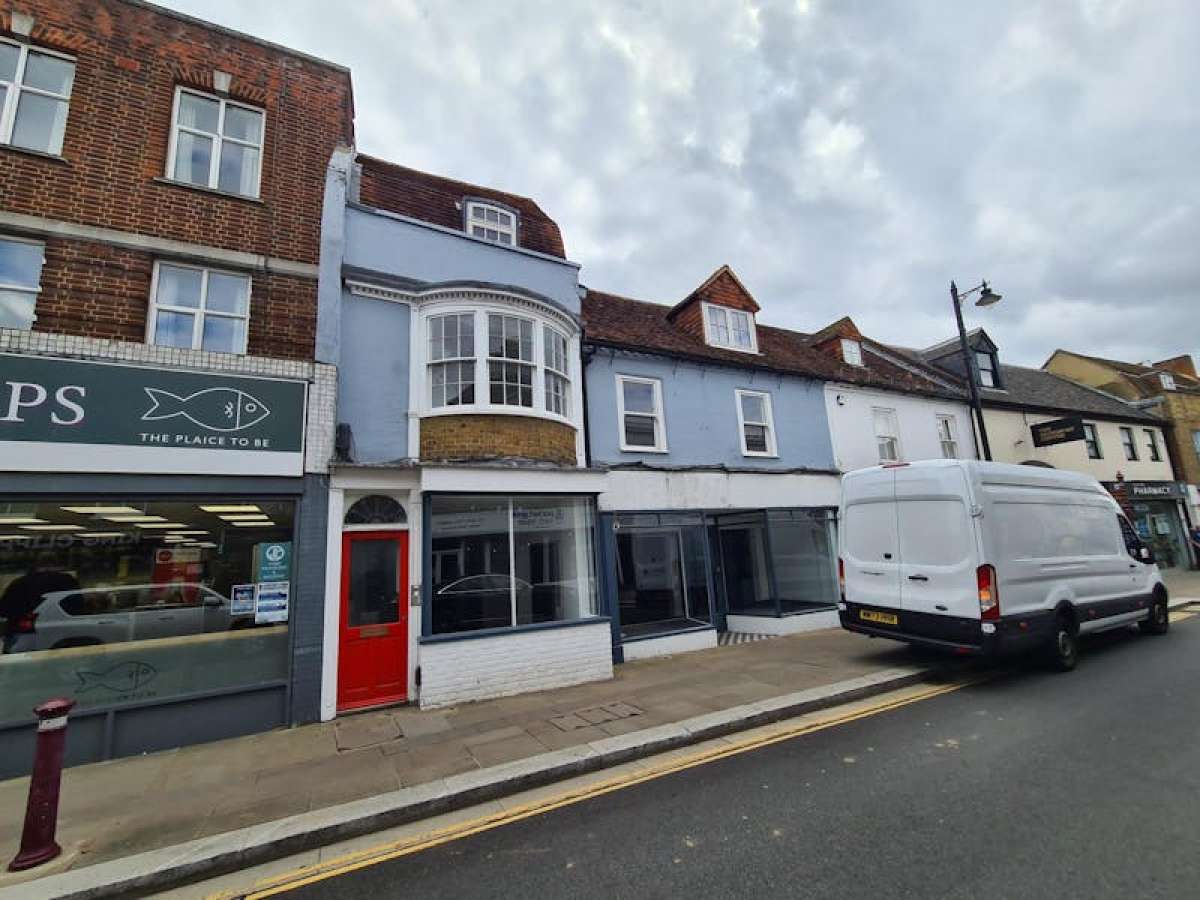
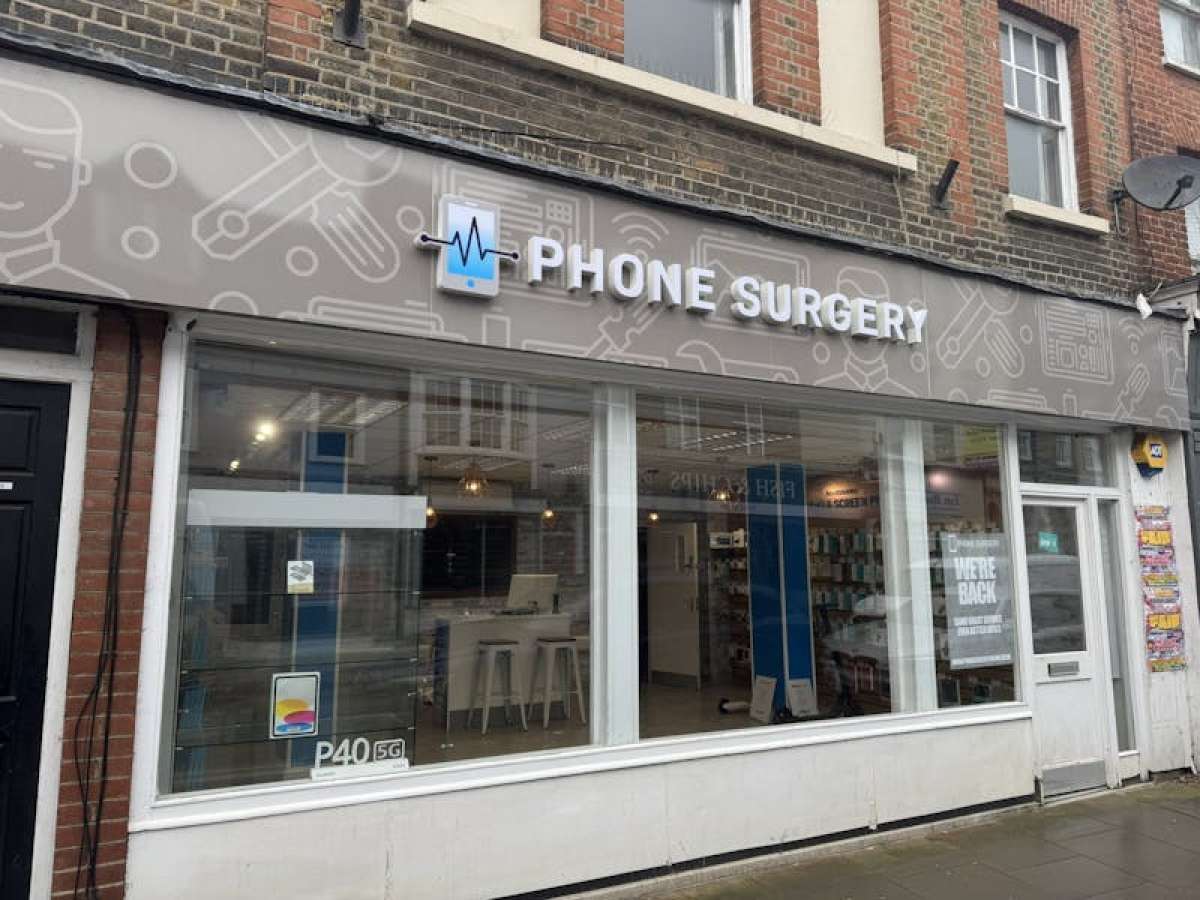
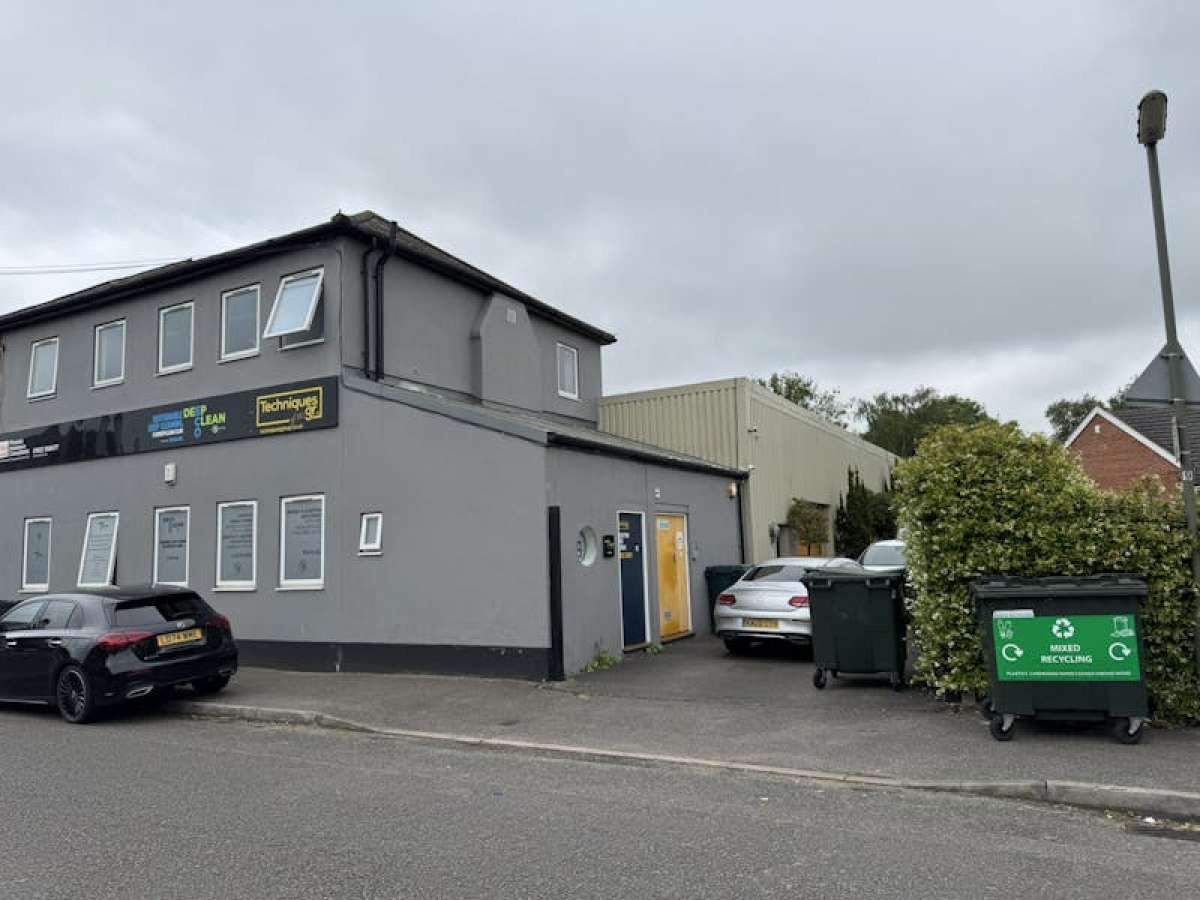
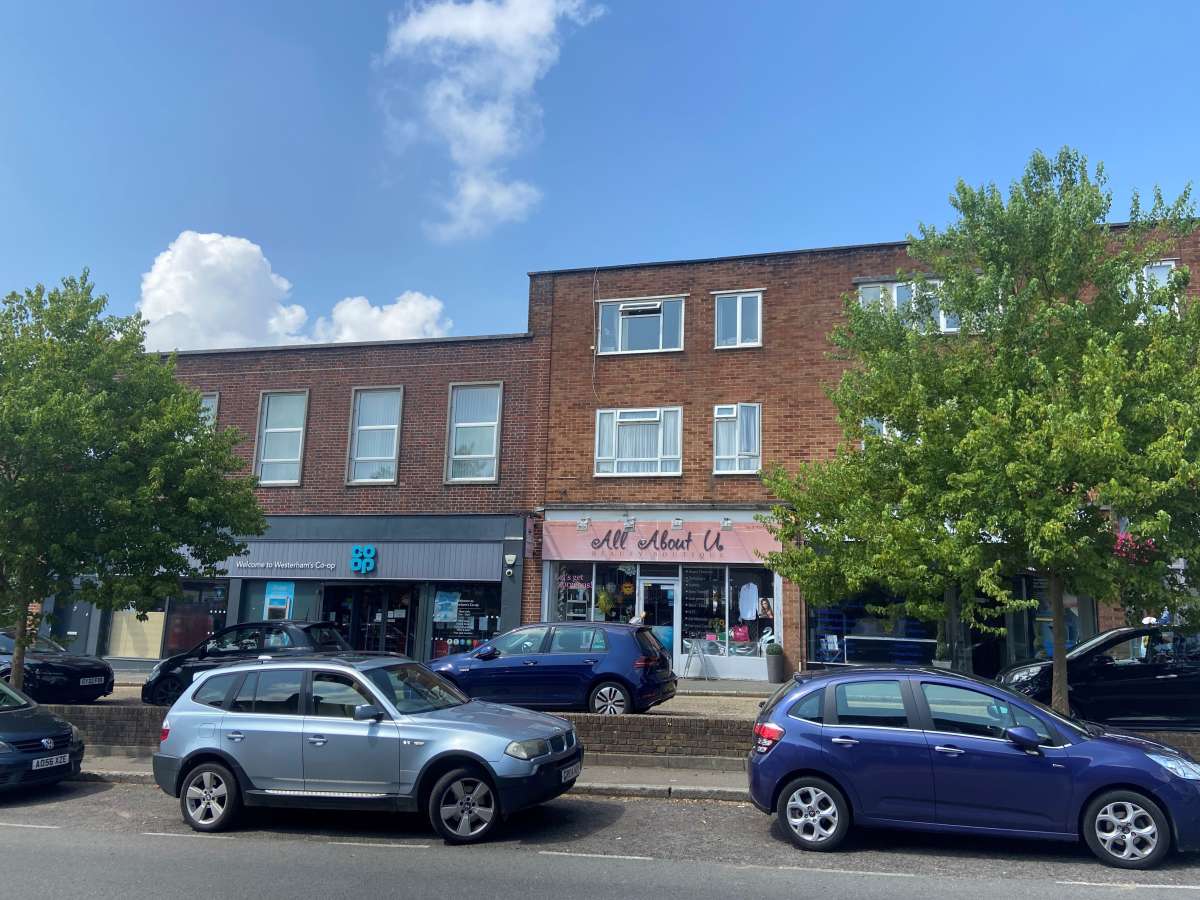


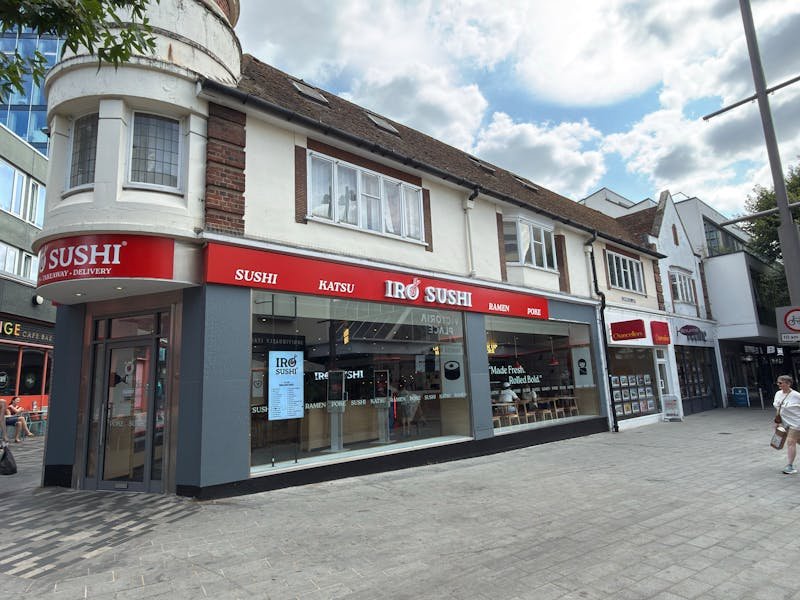
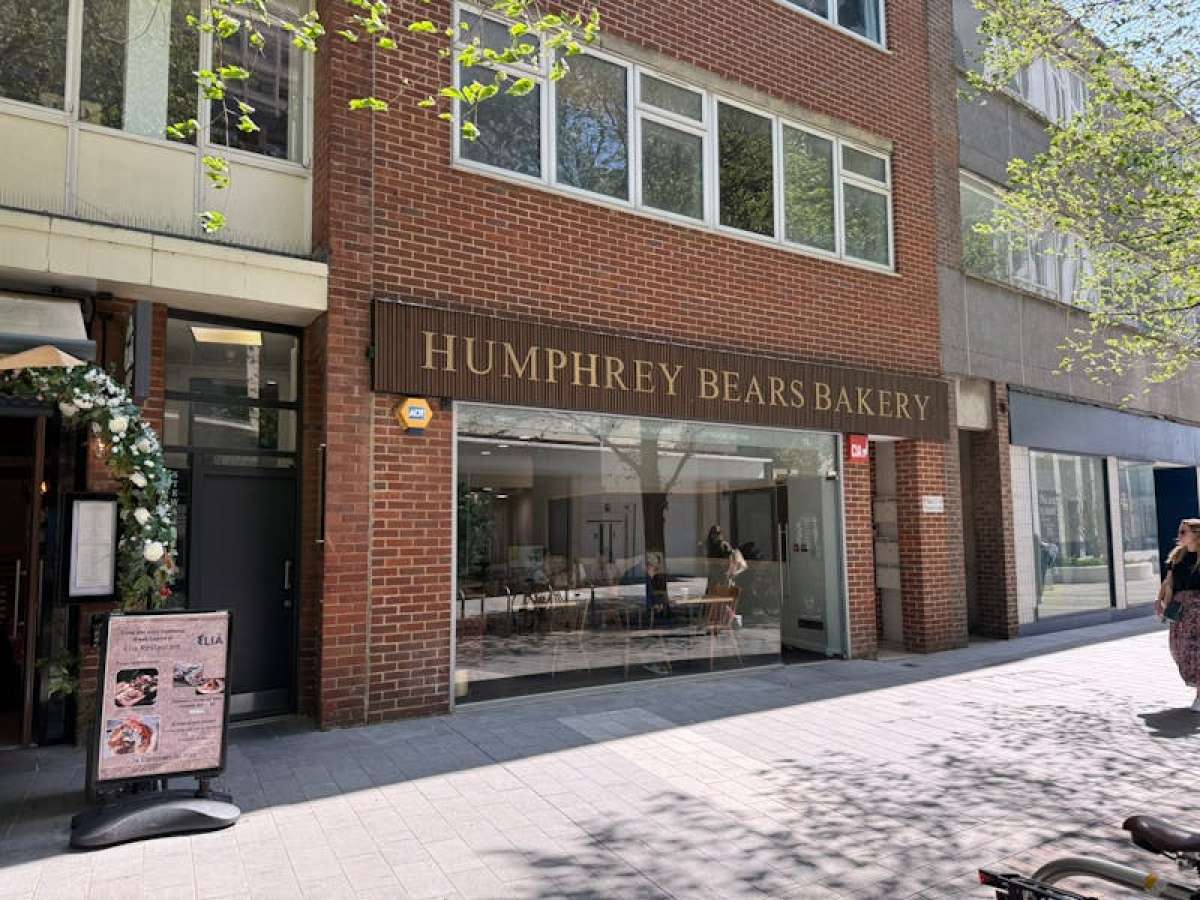
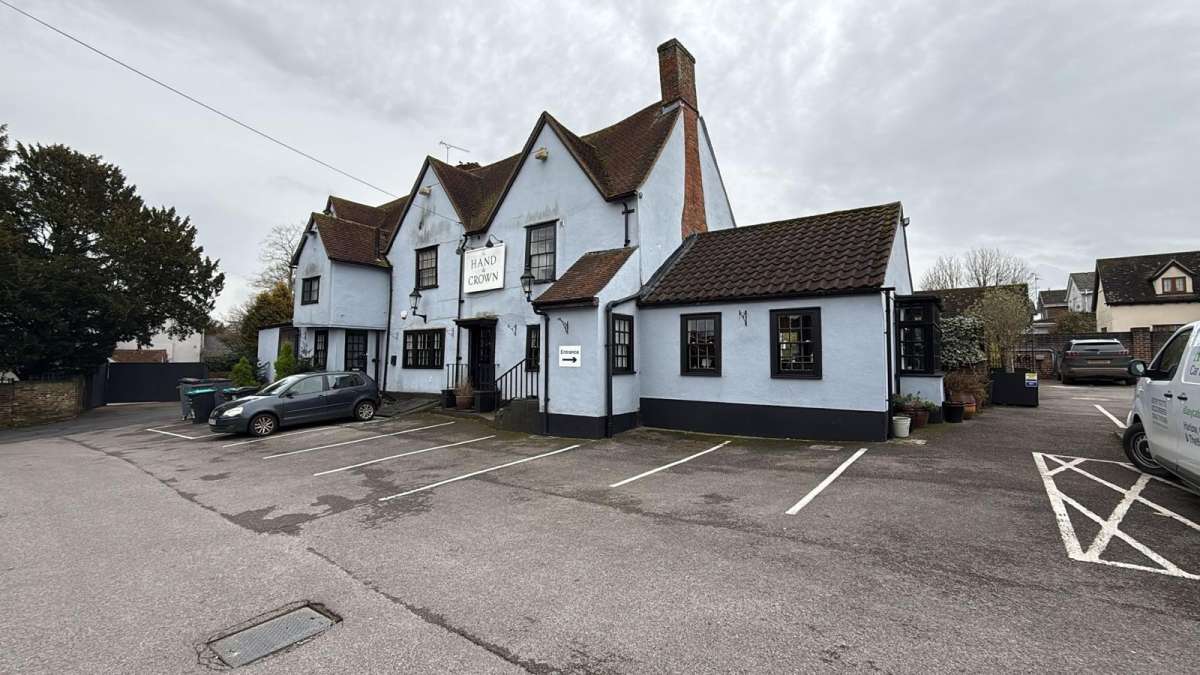

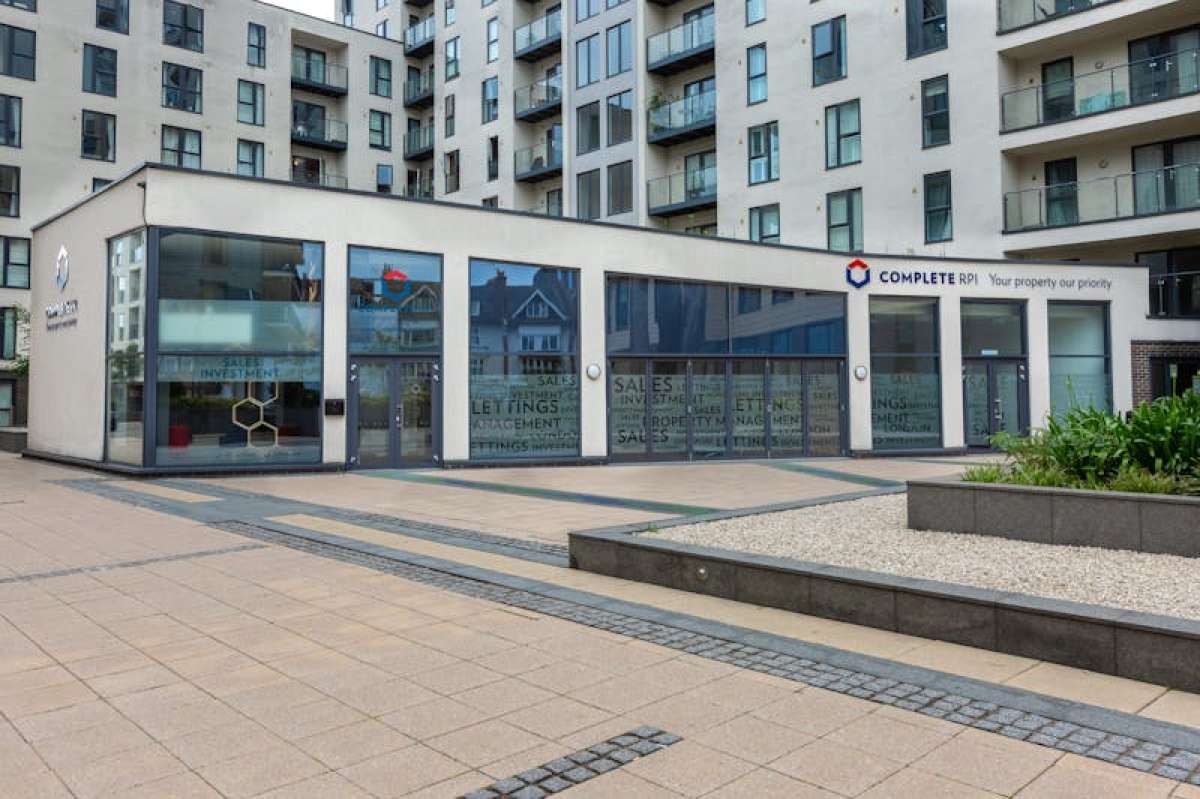
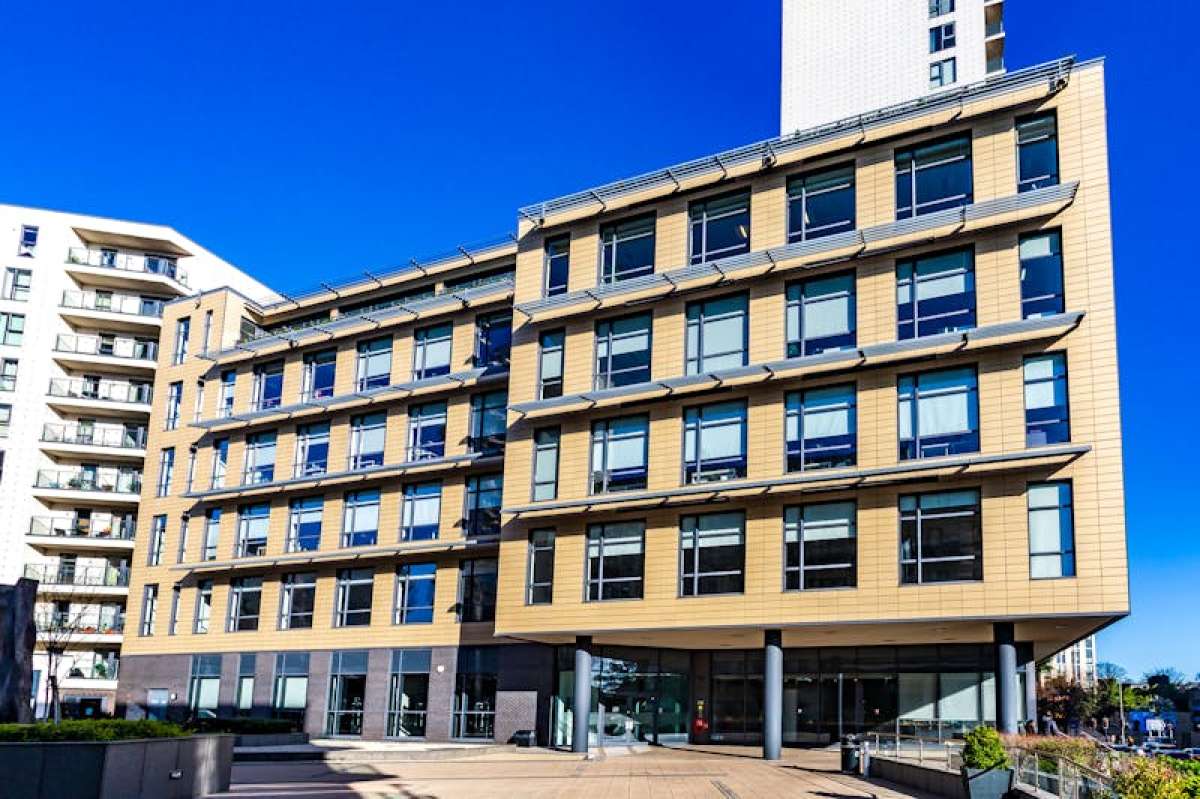
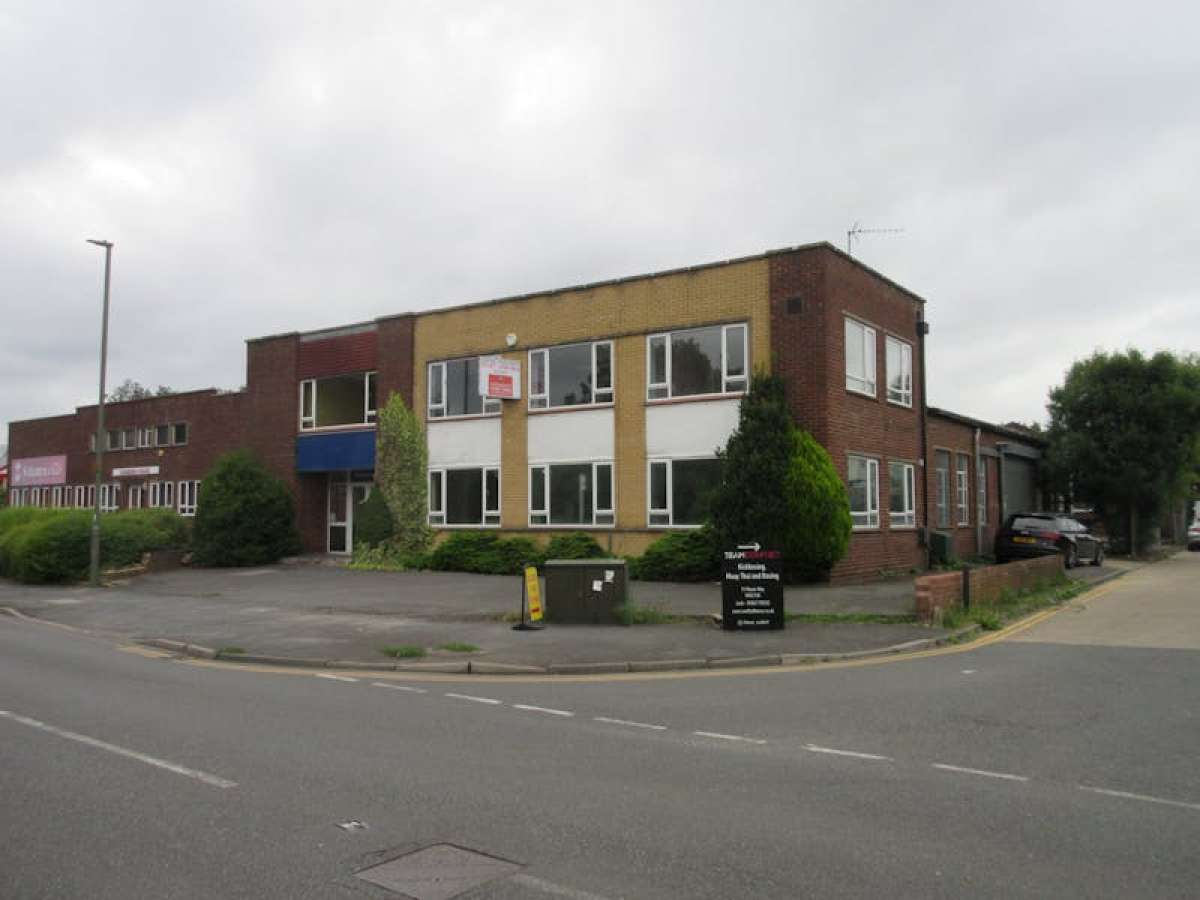
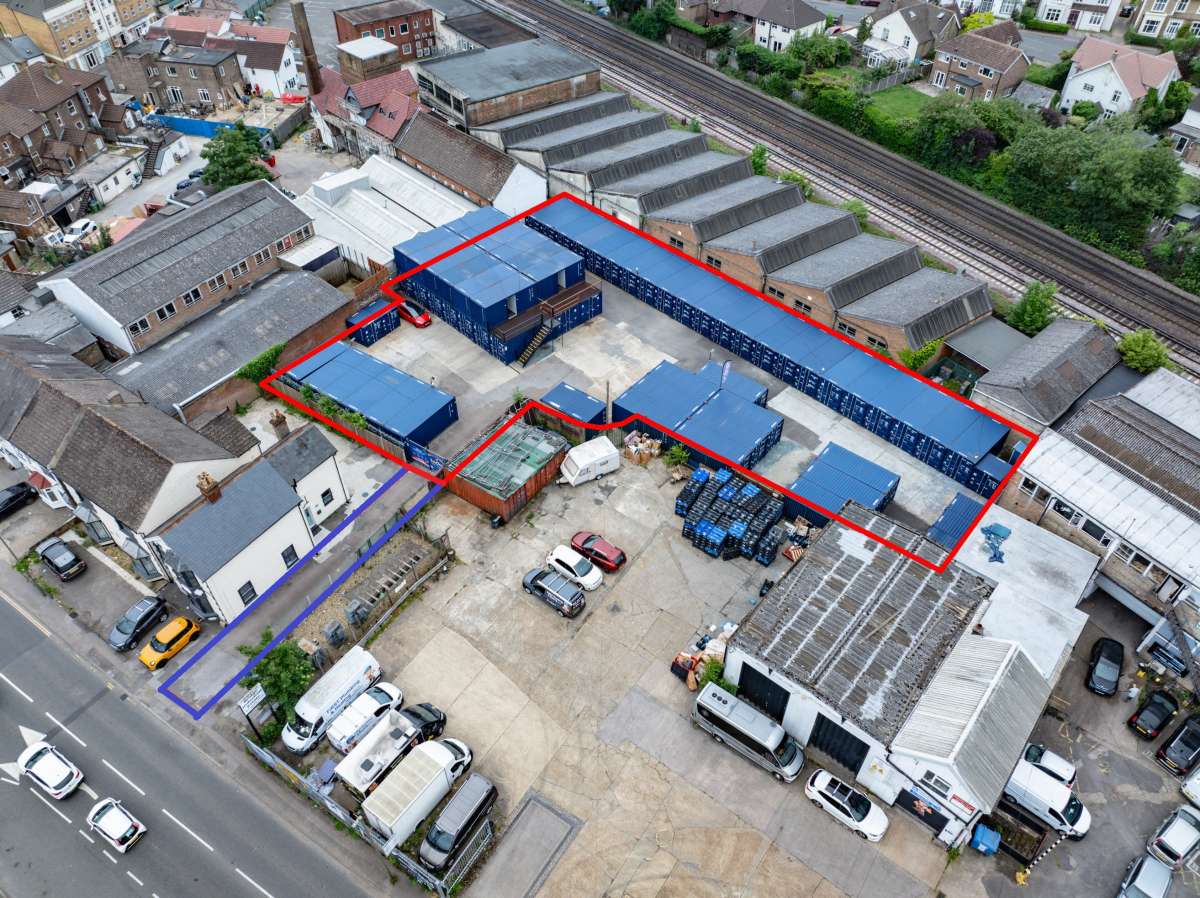
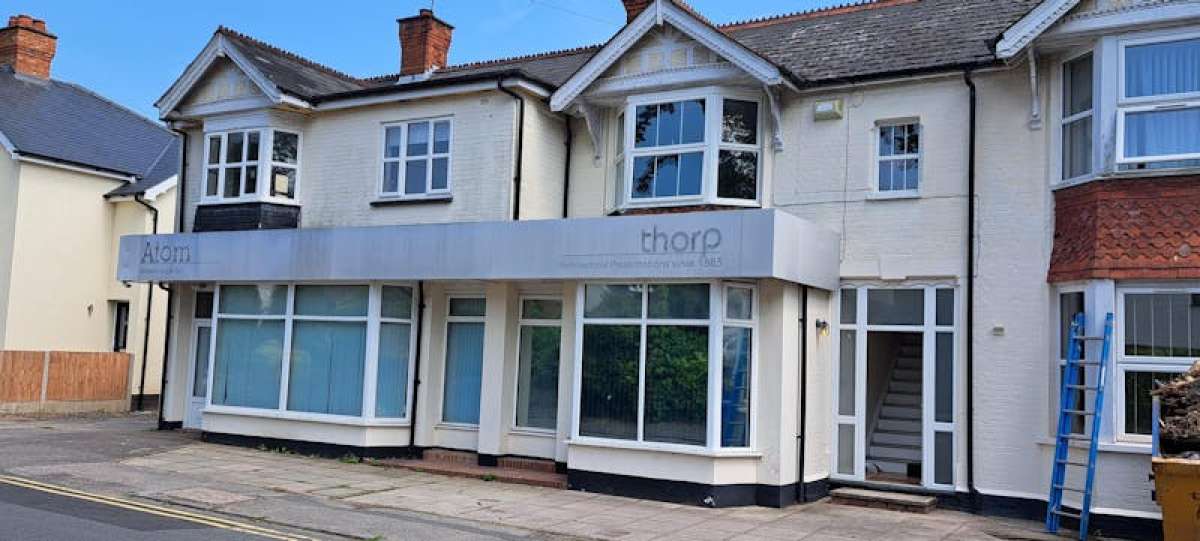




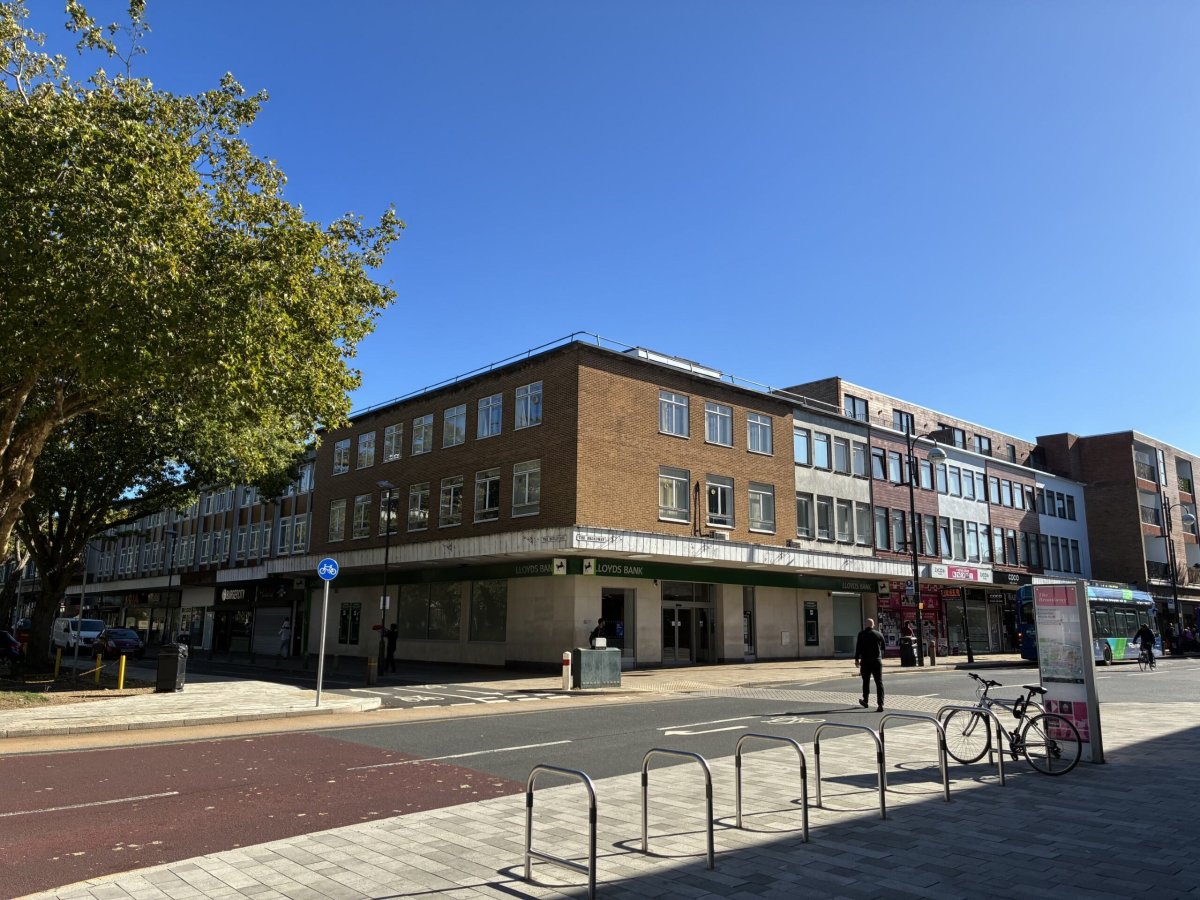
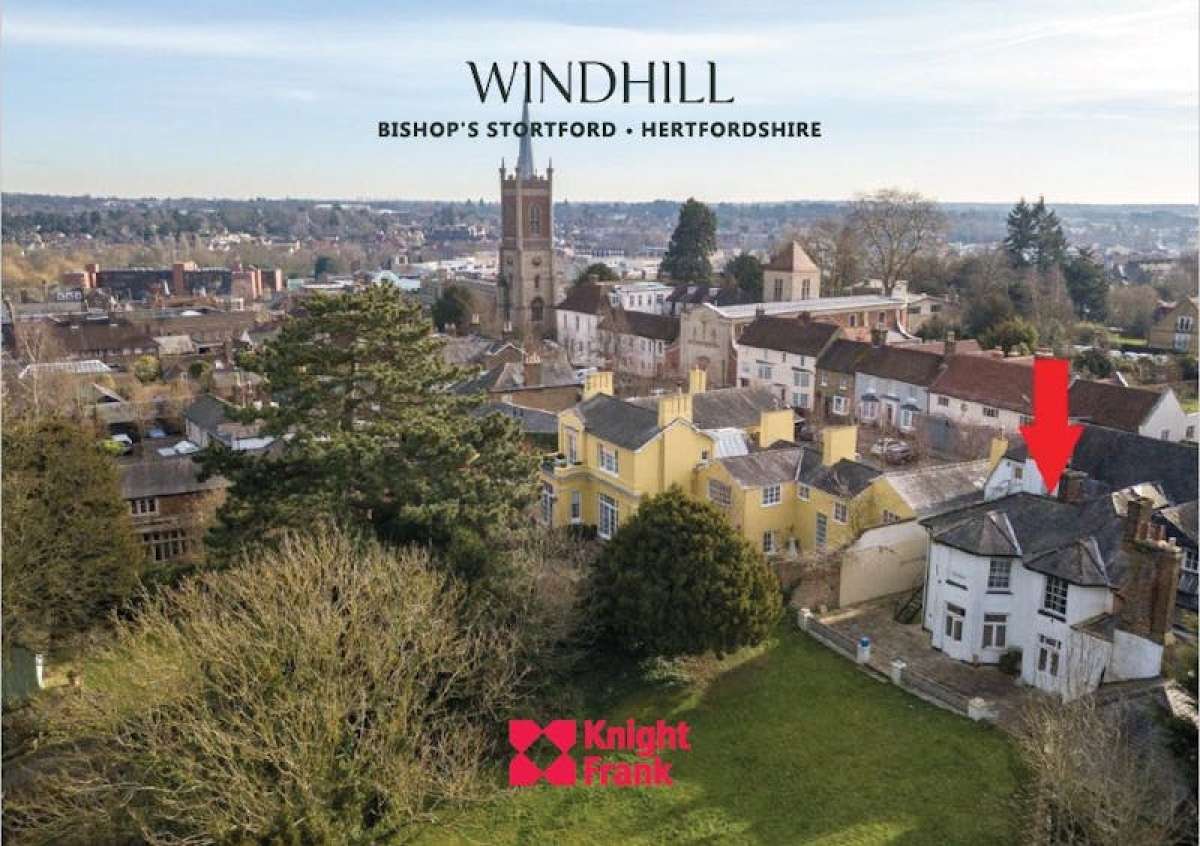
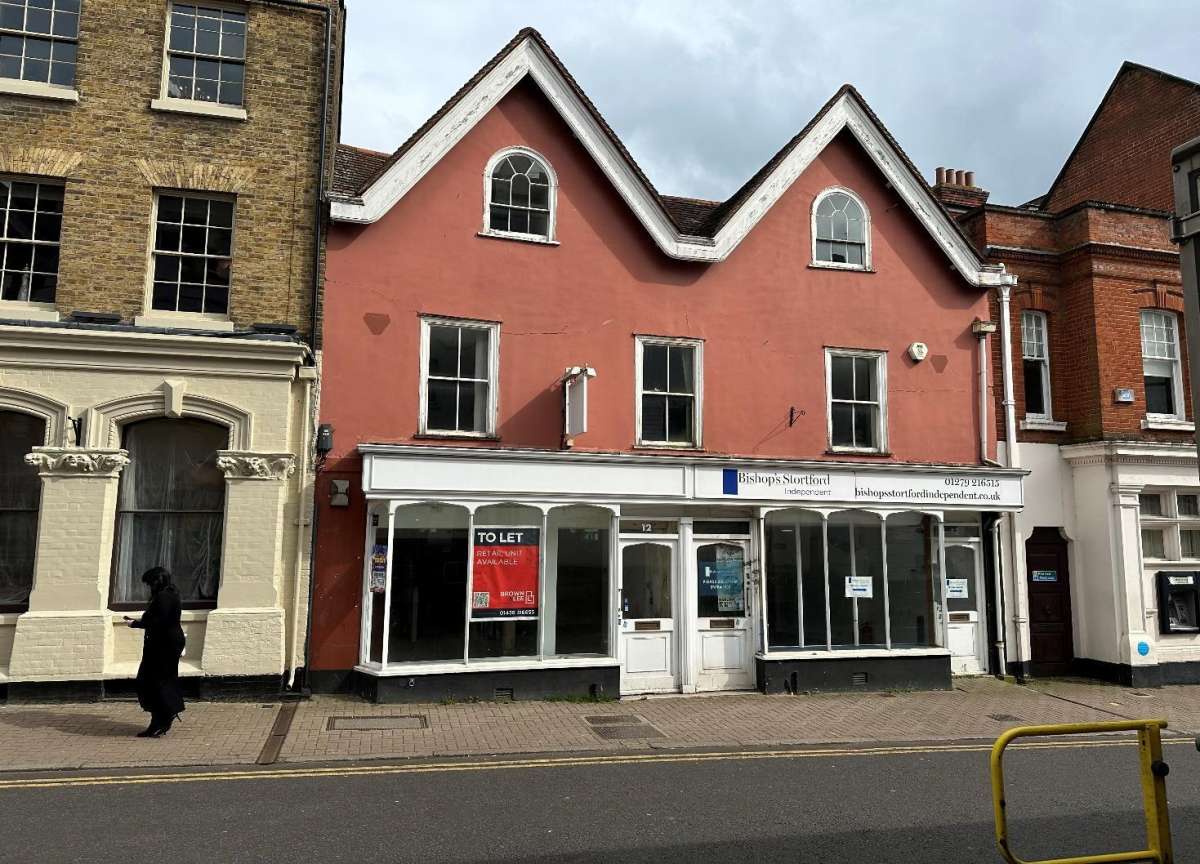
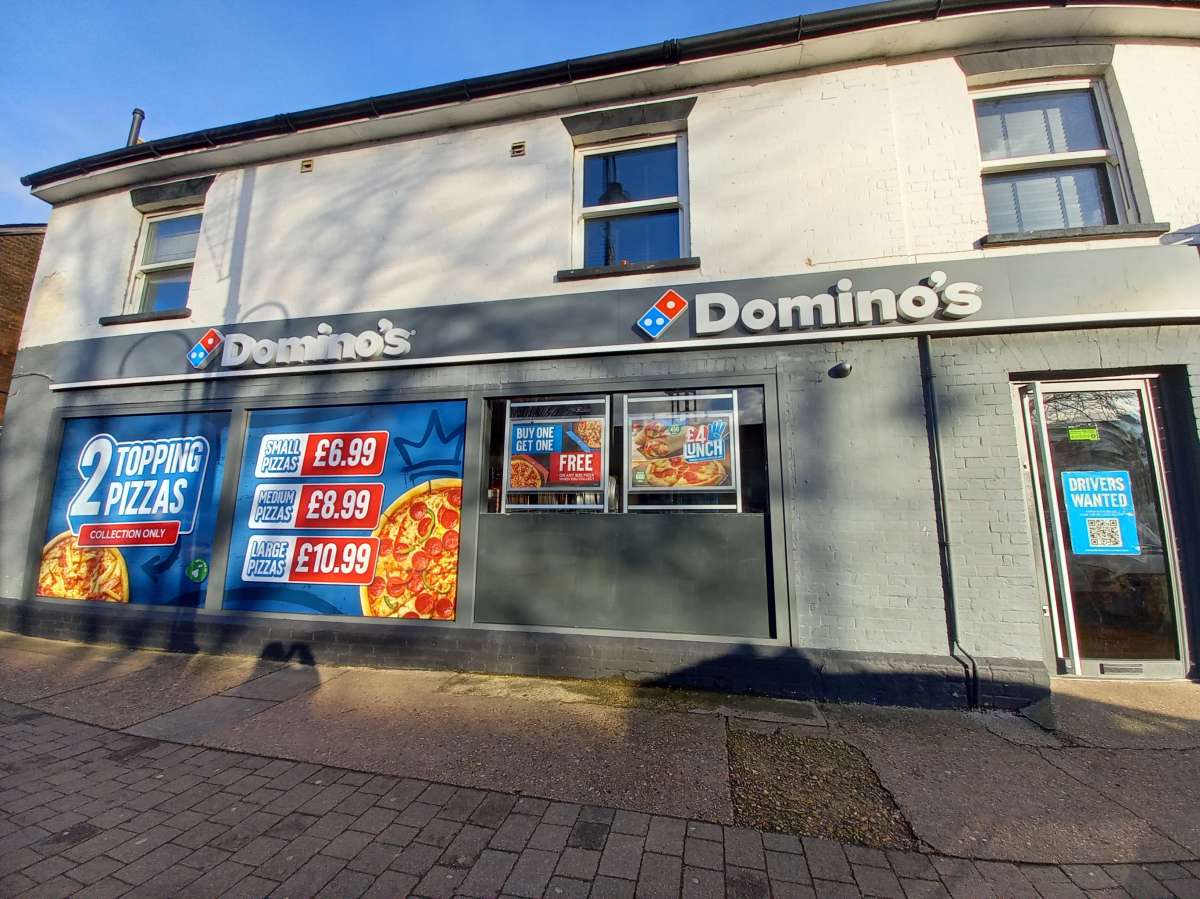

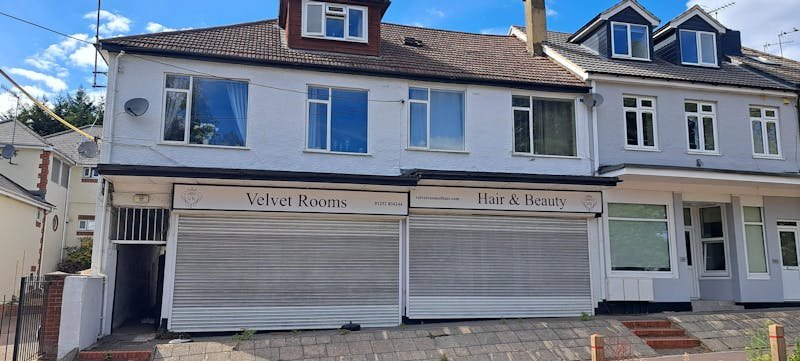
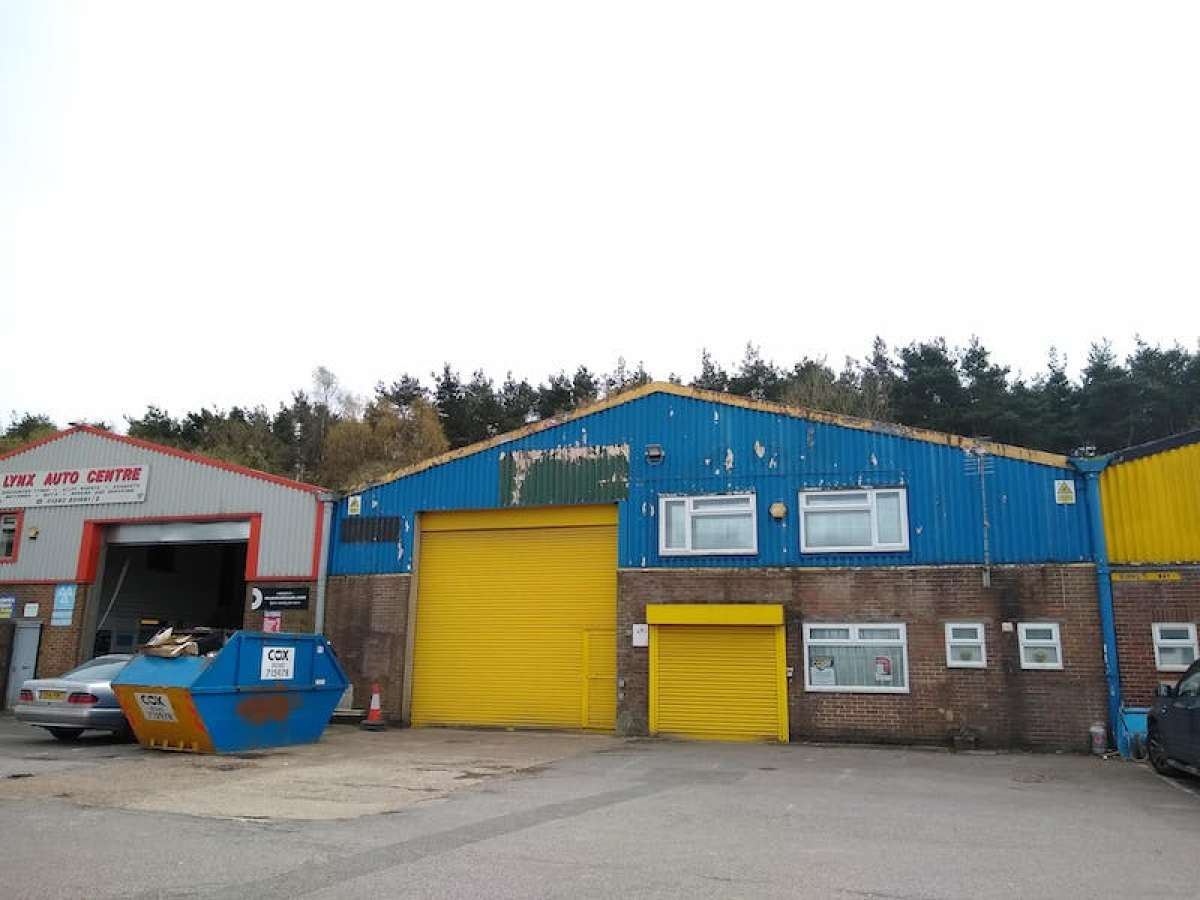
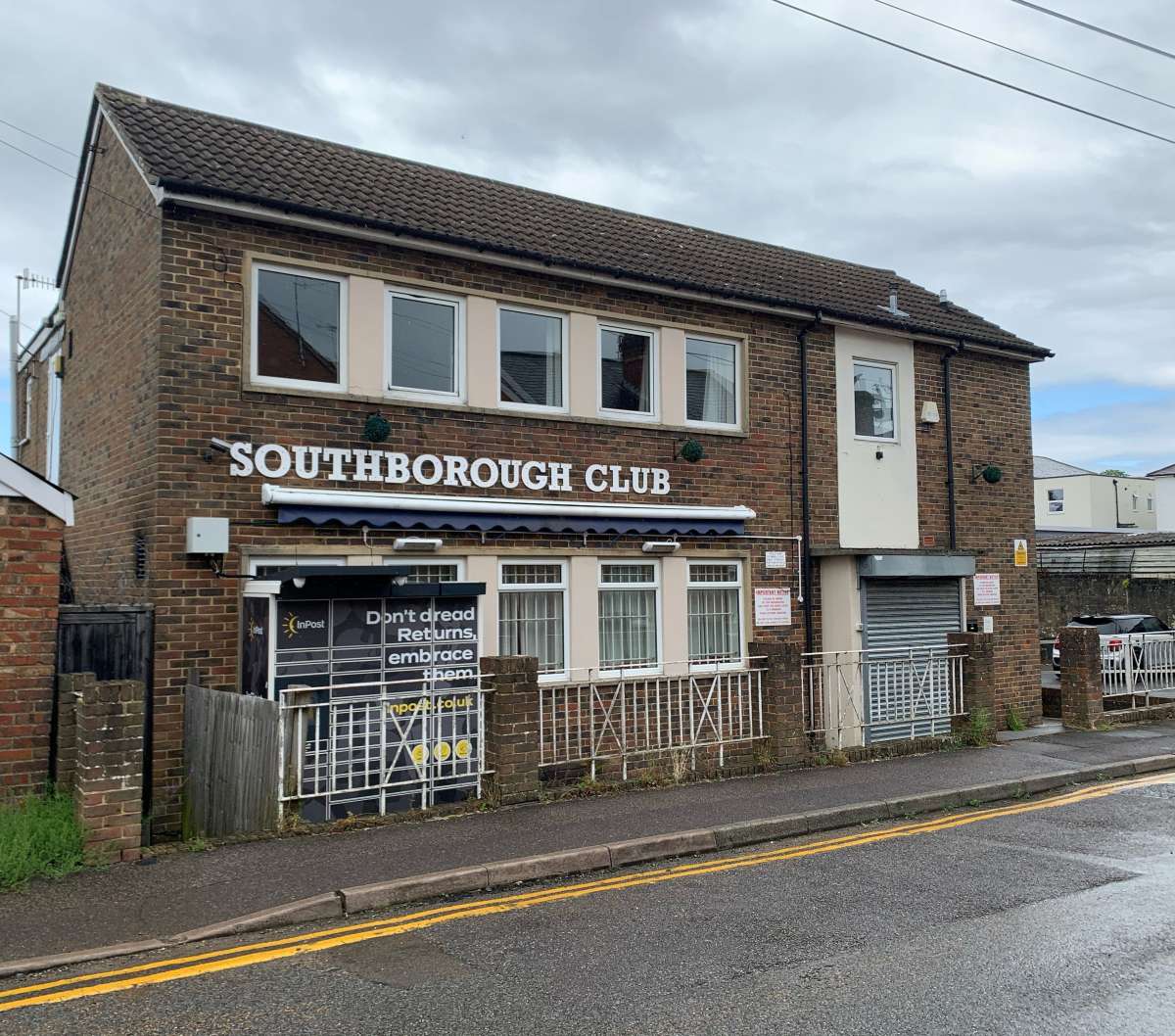
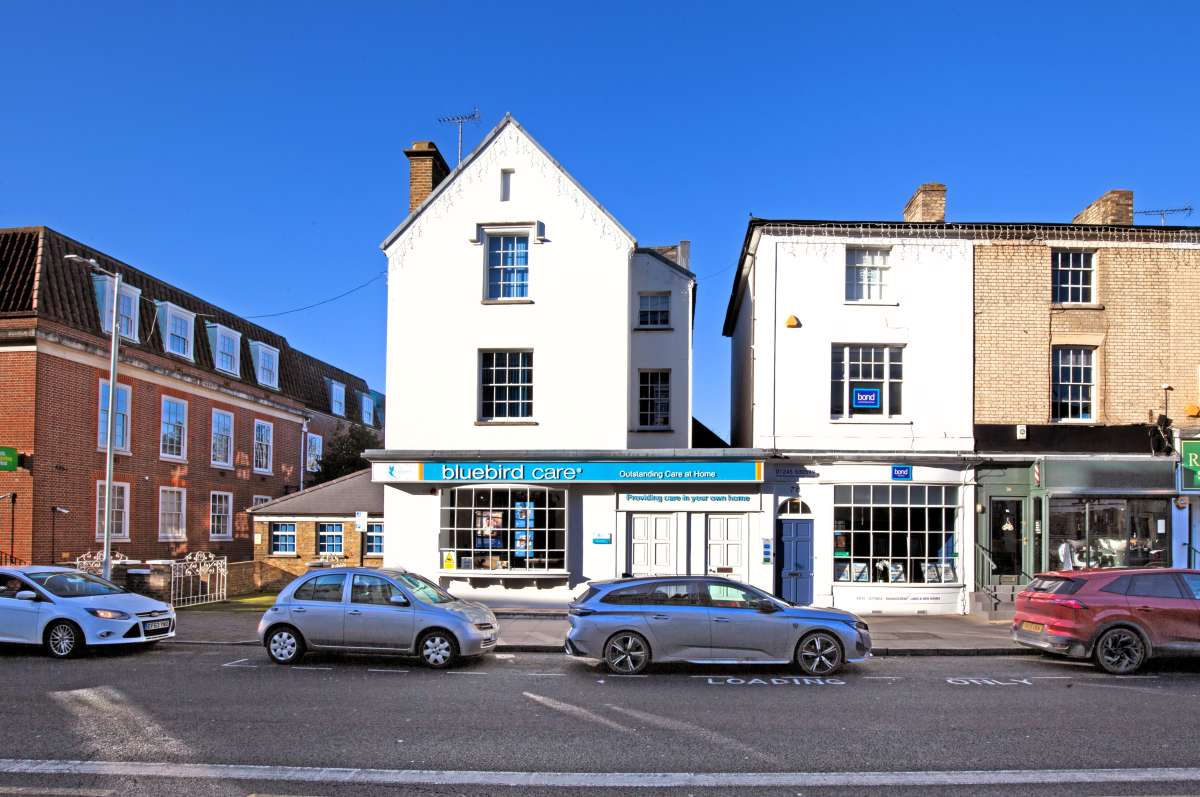
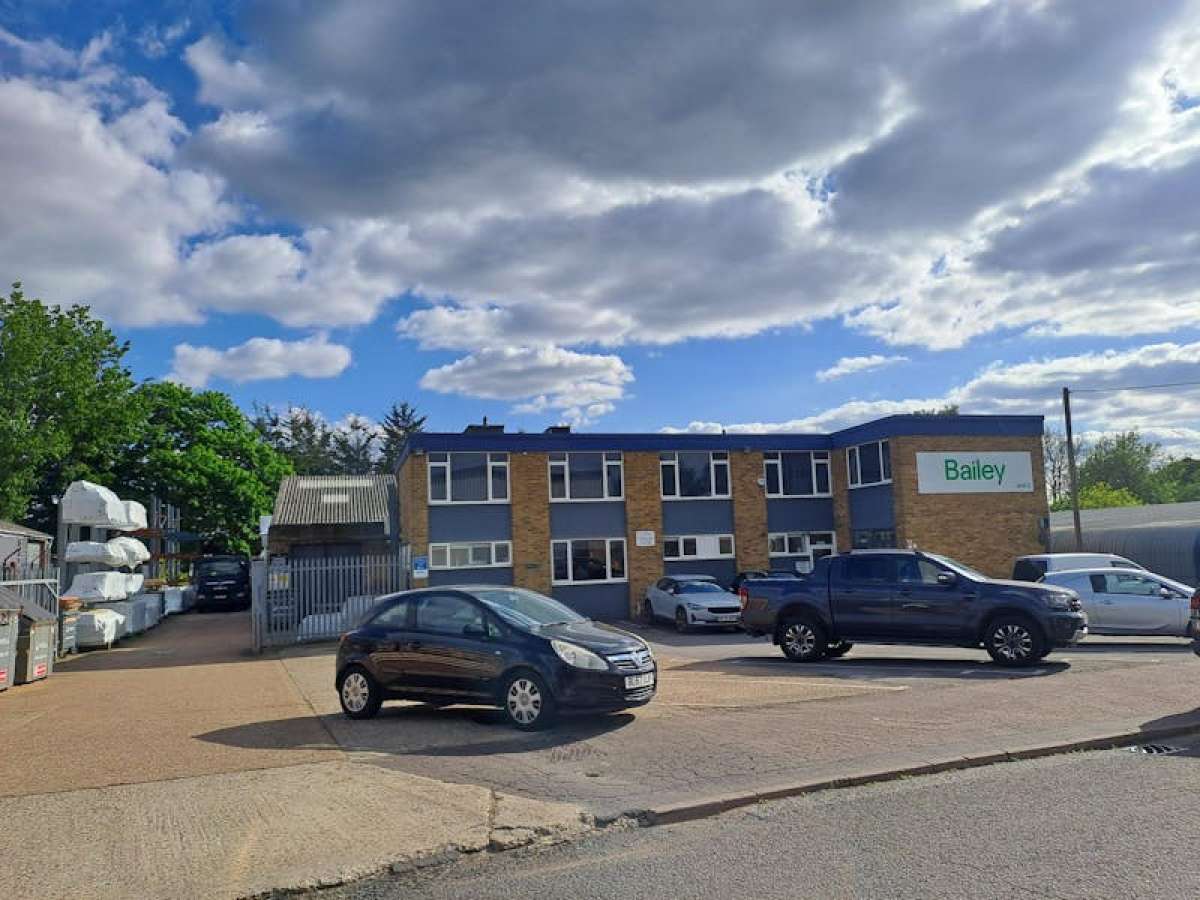
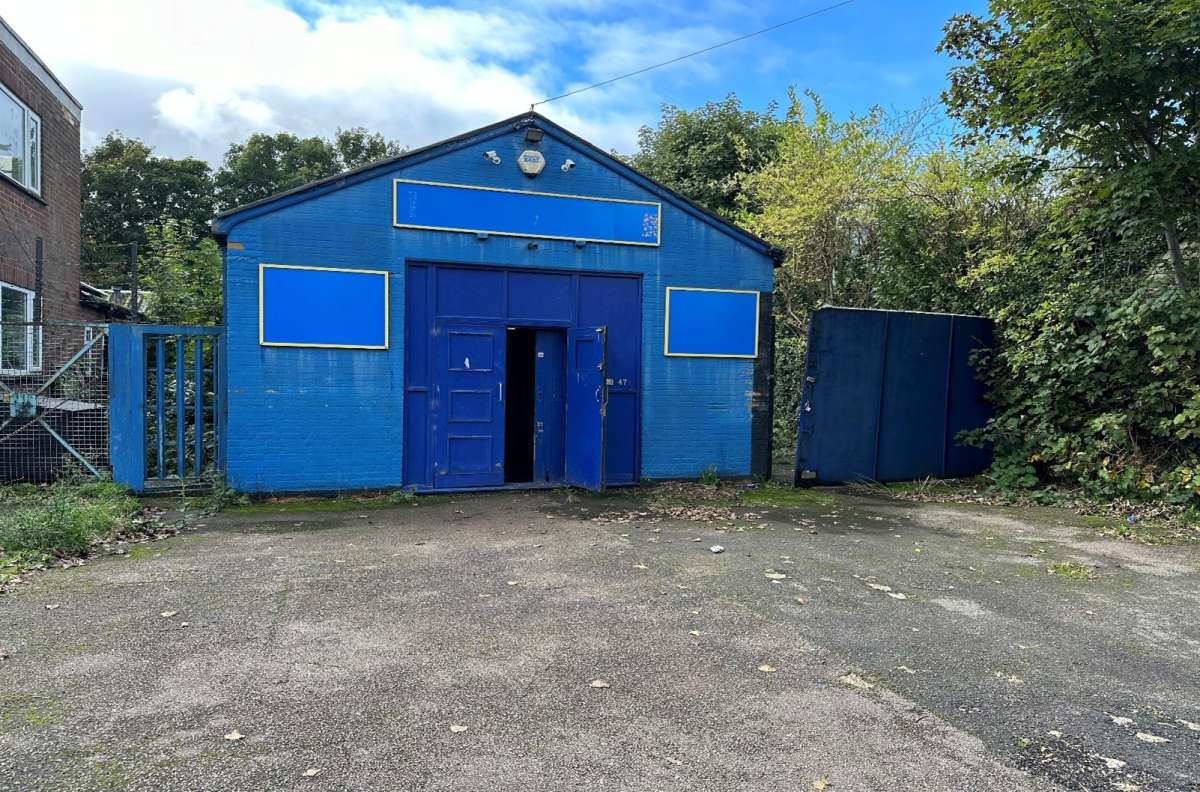
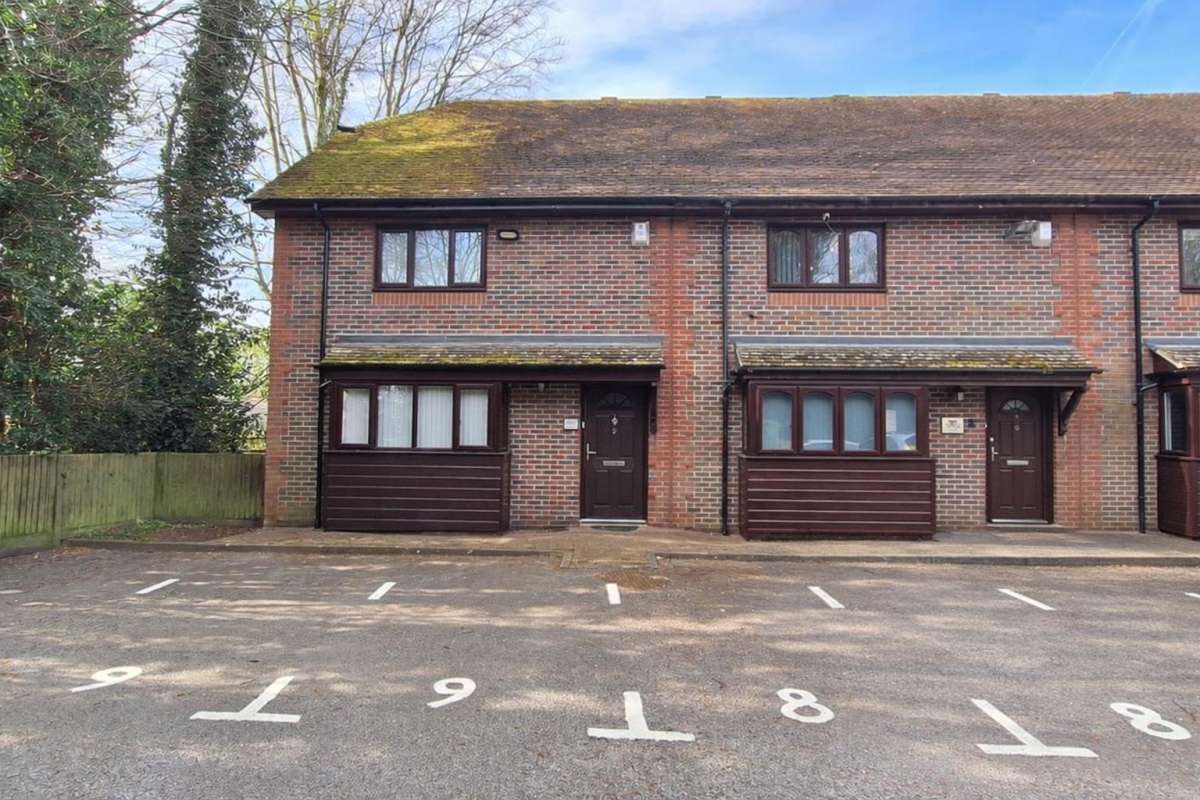

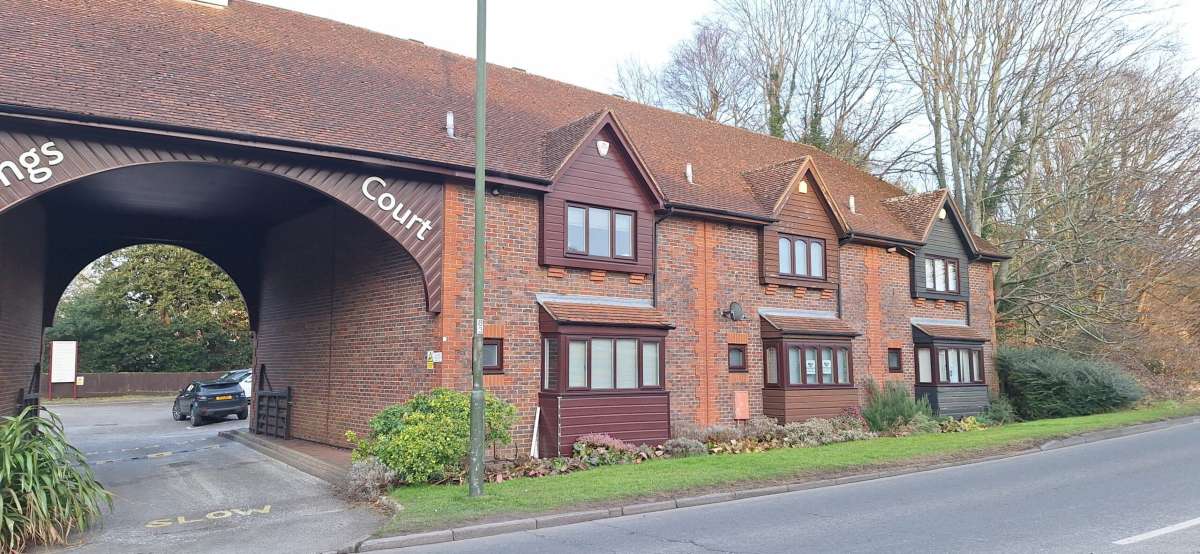



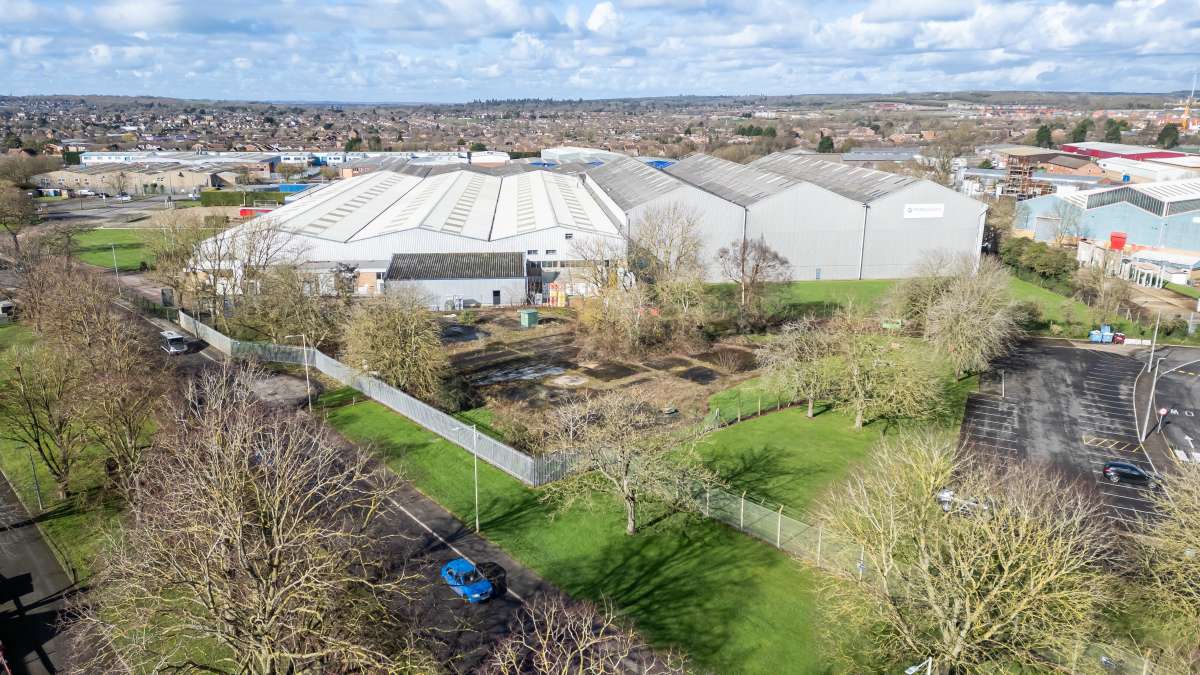
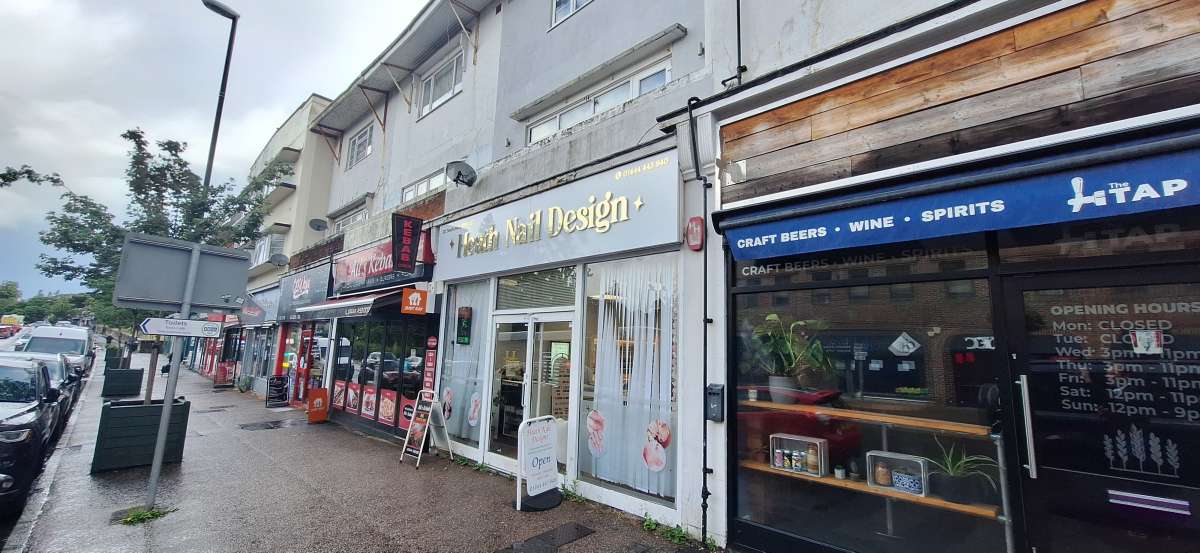
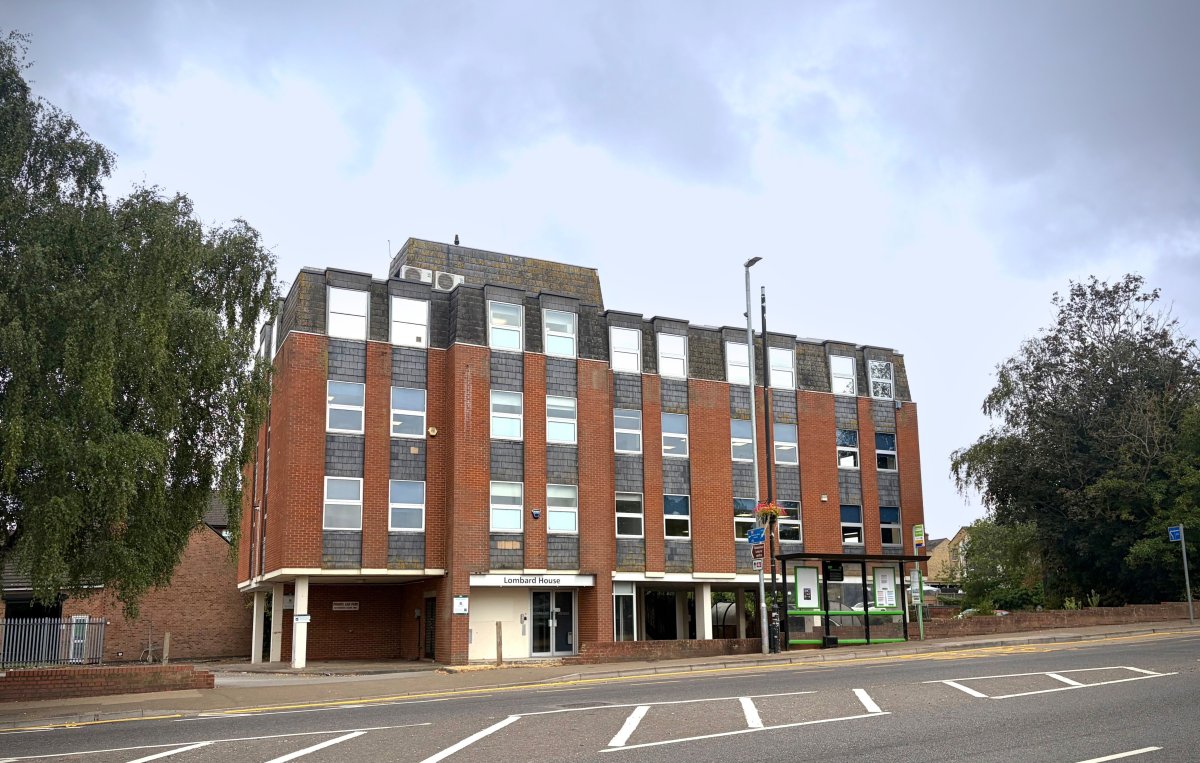
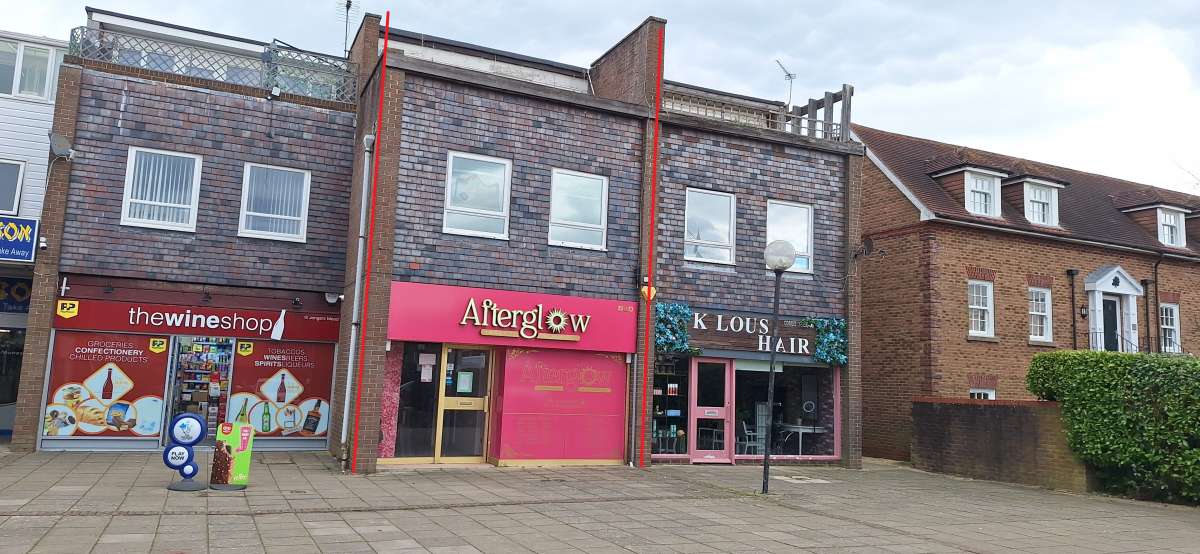


About Commercial Units in London
Commercial property in London is not one market but a set of submarkets that behave differently, and the right office, workshop or shop depends on which one you choose. The City, from Bank to Liverpool Street and Aldgate, is the traditional home of banking, insurance and law. The West End, centred on Mayfair, St James's, Soho and Fitzrovia, holds hedge funds, media and the most expensive offices in the country. Canary Wharf carries the large-floorplate towers of the global banks, Midtown around Holborn and Bloomsbury sits between the two for law and professional firms, and Southbank from Waterloo to London Bridge has grown from a secondary location into a prime one.
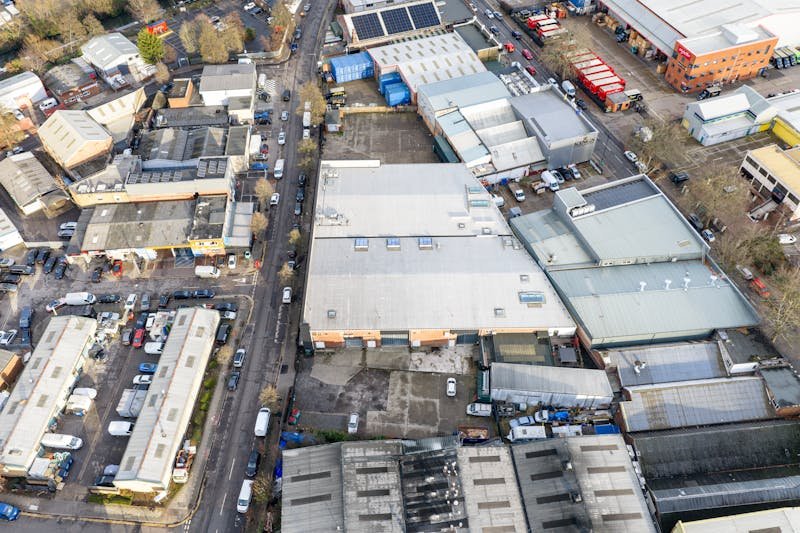
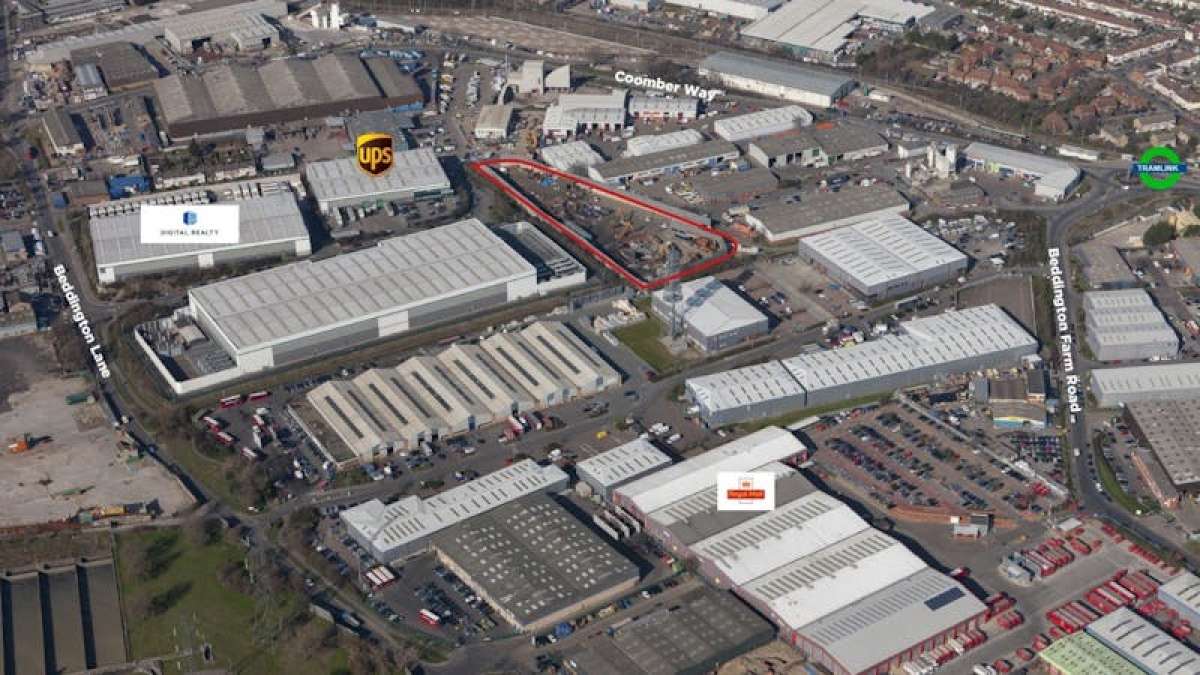
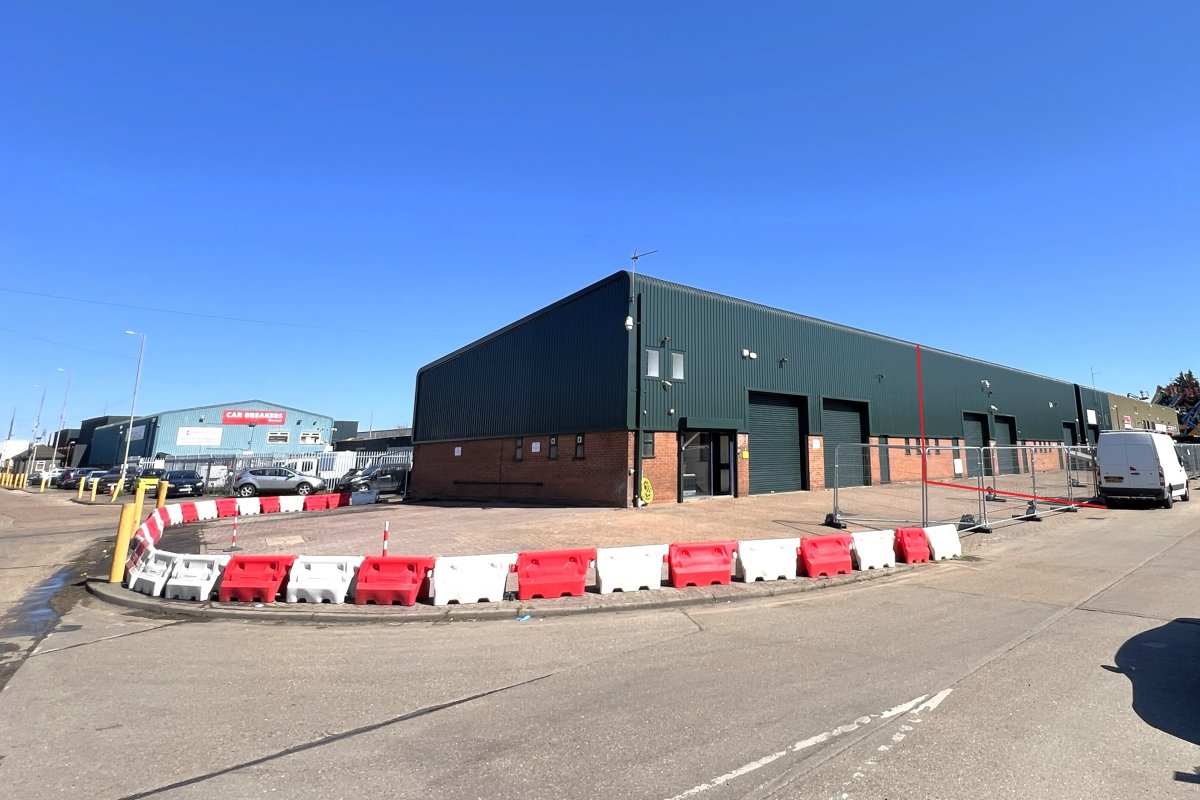
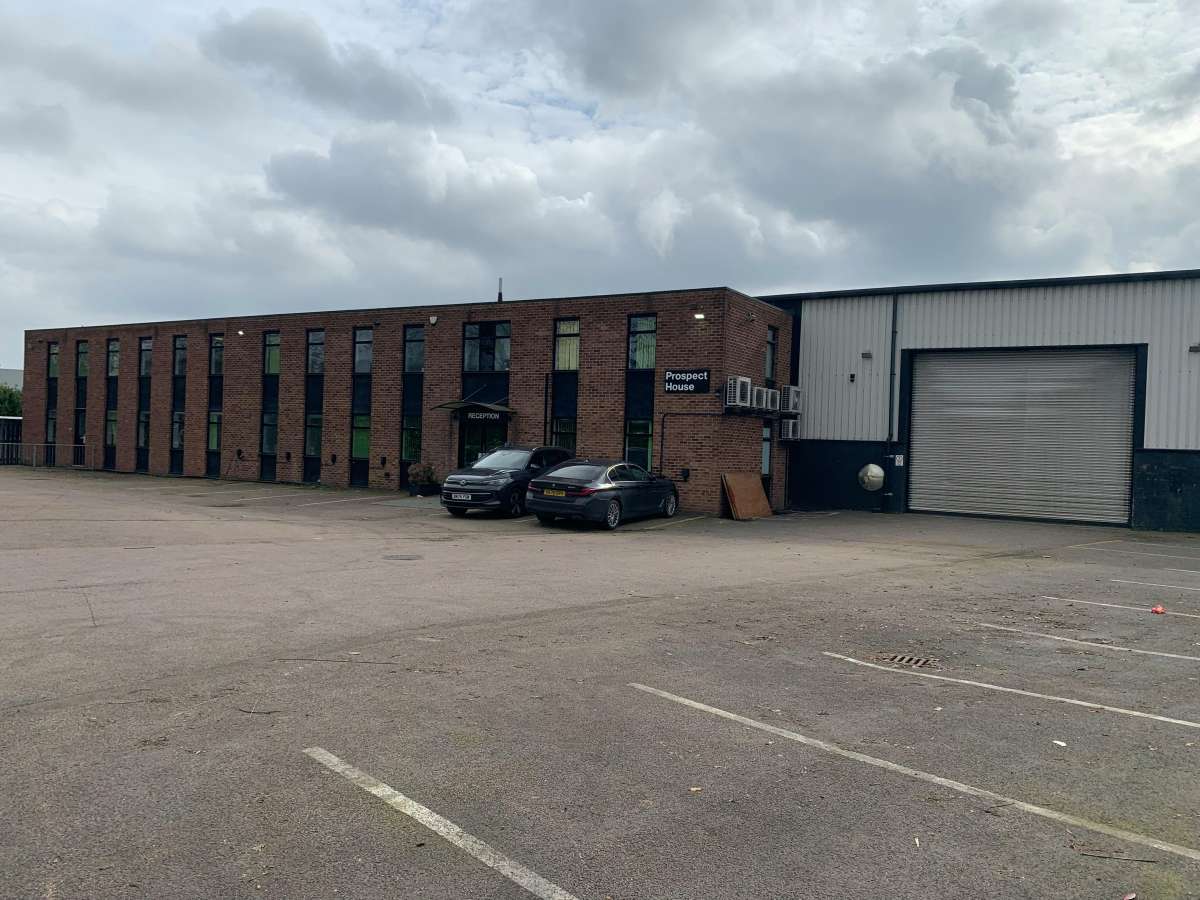
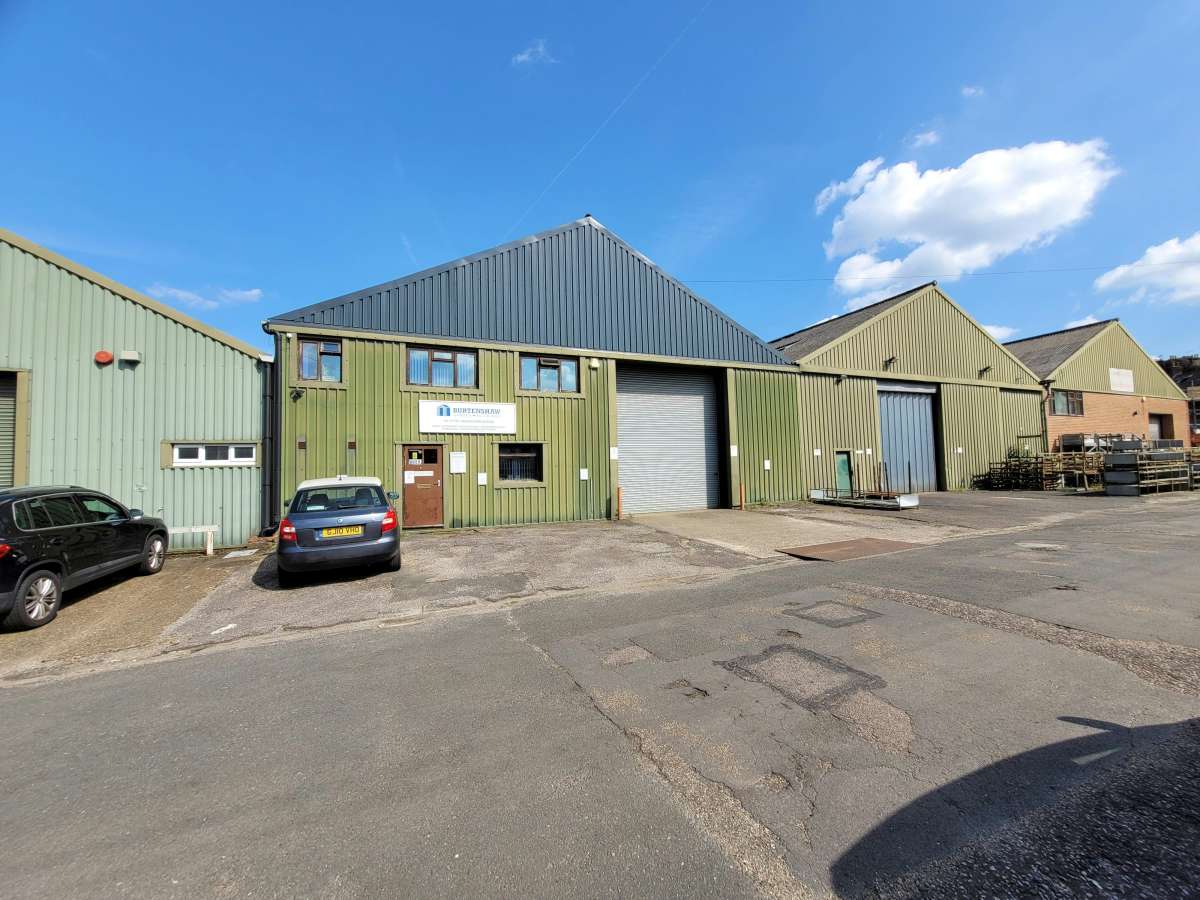
Industrial units and warehouses in London run in belts around the centre rather than through it. Park Royal in the west is the largest industrial estate in London, with about 1,700 businesses and 40,000 jobs. The A13 corridor through Barking and Dagenham serves the east, the Lee Valley and Brimsdown around Enfield serve the north, and Purley Way and Beddington Lane at Croydon serve the south. Industrial land has been shrinking for two decades as estates were released for housing, so the London Plan now applies a no net loss policy to protect what remains, which keeps demand for every remaining unit high.
The scale is unlike anywhere else in the UK. Greater London had a population of about 9.1 million at mid-2024 and just over 1 million private sector businesses at the start of 2025, roughly one in five of the UK total. Transport is the reason that works: the Underground, Overground, Elizabeth Line and the main line terminals at King's Cross, St Pancras, Euston, Paddington, Liverpool Street, Waterloo, Victoria and London Bridge put every submarket within reach of the whole South East, the M25 orbital connects the radial motorways, and Heathrow is about 14 miles west of the centre and London City Airport about 6 miles east of the City.
Demand for offices to let in London remains deep. Central London take-up reached 2.6 million sq ft in the second quarter of 2026 alone, with vacancy at 8.6 per cent. On the ground, the difference between submarkets is measured in hundreds of pounds per sq ft, and a business that cannot justify the West End will usually find what it needs in Shoreditch, Stratford, Vauxhall or an outer borough centre such as Croydon, Ealing or Ilford, where offices, shops and small industrial units let for a fraction of central rents.
Business character
Finance and professional services remain the core. HSBC, Barclays and Lloyds Banking Group all run their main UK operations from London, with Barclays committed to its Canary Wharf headquarters at One Churchill Place until at least 2039 and HSBC moving from its Canary Wharf tower to a smaller building at Panorama St Paul's in the City, a fair picture of how the banks are rebalancing towards the Square Mile. The public sector is the single largest employer: the NHS, Transport for London, the Metropolitan Police, the civil service and the Greater London Authority together employ hundreds of thousands. Media and technology cluster in Soho, King's Cross and Shoreditch, with the BBC and BT Group among the largest employers, and University College London, Imperial College and King's College anchor a research economy that feeds life sciences at White City and King's Cross. Manufacturing and logistics have not left: Park Royal specialises in food and drink and creative industries alongside distribution, and Brimsdown in Enfield houses Amazon, DHL, Coca-Cola and Warburtons. Retail is a London industry in its own right, from the West End flagships to the borough high streets. Other significant employers include Greencore (Park Royal).
Transport & connectivity
- Motorway: M25 (Junction M25 J21 (M1), J15 (M4), J16 (M40), J27 (M11), J12 (M3), J3 (M20), J7 (M23), 12 to 20 miles)
- Nearest rail: King's Cross, St Pancras, Euston, Paddington, Liverpool Street, Waterloo, Victoria, London Bridge
- Airport: Heathrow and London City (Heathrow 14, London City 6 miles)
- Key A-roads: A1, A2, A3, A4, A10, A12, A13, A40, A406 (North Circular), A205 (South Circular)
Market context
Office rents depend almost entirely on which submarket you are in. Agent research puts prime West End rents at £190 per sq ft and prime City rents at £95 per sq ft in the second quarter of 2026. Agent guides for 2026 give Grade A ranges of £100 to £250 in Mayfair and St James's, £70 to £135 in the City, £65 to £125 in Midtown, £60 to £105 on Southbank, £40 to £65 in Canary Wharf and £35 to £45 in Stratford. Agent research puts the average Grade A rent in the City at about £80 per sq ft, up 15 per cent on the year, and average prime West End rents at £165 per sq ft in the first quarter of 2026, which sits comfortably inside those ranges. Older and smaller space lets for much less. Industrial rents are the highest in the country because supply keeps shrinking: the prime rent for large London warehouses reached about £29 per sq ft in the third quarter of 2025 and prime logistics rents inside the M25 were reported at £25 to £35 per sq ft by late 2025. Retail runs from New Bond Street, rated the most expensive retail street in the world in 2025, down to borough parades where a lock-up shop costs a fraction of that.
Looking to rent? View commercial units to let in London →
Commercial Units in Nearby Areas
Commercial Property in London
How many commercial properties are available for sale in London?
What types of commercial property are available in London?
What is the price range for commercial property for sale in London?
How do I contact a landlord about a commercial property in London?
How do I list a commercial property for sale in London on Boxpod?
Got more questions?
