
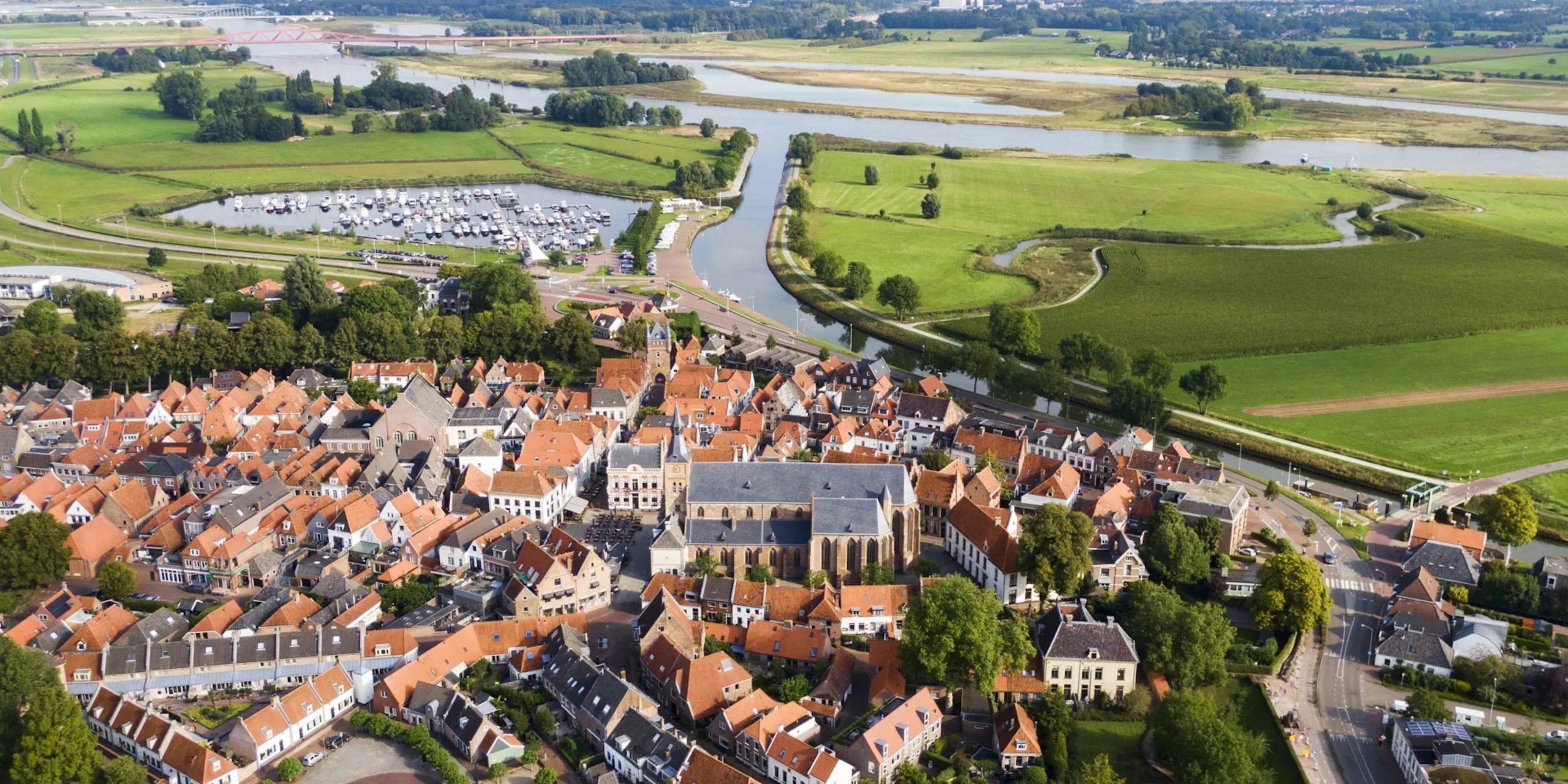
Thanks to a severe lack of investment and the ever-growing housing crisis in the UK, the government pledged that it would build 1.5 million new homes this parliament, in its last election manifesto. A part of this plan was to create a number of ‘new towns’ – towns designed and built from scratch. Whilst the building of these new towns is an excellent way to create more housing for the British population, it is also good news for commercial units. And commercial units are what we are all about here at Boxpod.
Seven new towns have been short-listed for construction across England, and we are still waiting for the final locations to be confirmed by the government. The location of these new towns is being decided on using a range of different criteria. These criteria include the existing demand for housing in the specific area, space available, local and national transport links, and proximity to larger cities, giving residents options relating to where they are working.
Some of the other considerations that were made when choosing the site of the new towns included looking at spaces where there was already planning permission granted, and sustainability and how easy it would be to build a town where sustainability would not only be easily implemented, but also central to its functioning. There was also an emphasis on ensuring that those living in the new town can easily get around, creating a commercial hub – such as a high street- and also to get to nearby towns and cities easily through the use of public transport.
Given the net-zero targets that were working towards as a country, building a town with sustainability at its core is essential. Ideas include ensuring the town is well-served with affordable, reliable public transport, sustainable buildings, the harvesting and distribution of green energy, and having an abundance of healthy green space, for example.
The idea of the ‘new town’ is to do just that – not just build a lot of houses, but actually create a town that has homes, commercial units, a community, and all the infrastructure that is required for comfortable and healthy living.
Commercial Units in New Towns
Given the fact that the new town designers are looking to create ‘self-contained’ towns, with everything that residents need within walking or a short travel distance, including shops and retail units, offices, cafes and restaurants, and infrastructure such as GPs and schools, this leaves space for large numbers of new, sustainable commercial units to rent or buy. And with well-being being an ever-important factor in comfortable and attractive living, plenty of green spaces.
This is a change to how many towns were designed in the UK after the war, when the planning was more zonal – areas where people lived and separate commercial town centre zones accessible by bus, for example. Whilst, of course, there are areas that should be kept separate from the rest of the town – sewage works, or waste incinerators, for example, it is now agreed that more ‘semi-self-contained’ areas are preferable to both those living in the area, and also those looking to cut down on driving and travel.
We are also more likely to see more mixed-use spaces – cafes and restaurants, gyms, shops, and offices in the same complex as homes. These are great for convenience, as well as important for building communities.
Links to Local Area
When it comes to the planning of new towns, there is also to be a focus on links to the local area. This includes an initiative whereby notes are taken about the existing building work that has already been passed by planning laws, enabling constructors to start building without having to wait for a long time for unusual planning issues to be addressed.
It should also mean that the new buildings and commercial units fit with the existing buildings in the area.
The new town planners should also be looking to consider the nature of local commerce as well as the particular needs of the residents. For example, every local area needs supermarkets, cafes, offices, GPs, and schools. However, if the area is close to a port and expected to be a town that receives imports, for example, warehouse units would be useful for businesses to store their products before they are distributed around the country.
The locations of the new towns have been selected, amongst other reasons, for their proximity to existing or planned transport links.
Building a Community
It has been increasingly apparent over the years that a strong community is essential for a number of reasons, including raising the quality of life, controlling crime, and boosting the local economy.
Commercial units are central to helping to build a community in a town, especially a new town, where often inhabitants from a number of different places are ‘thrown together’. One of the most important elements to creating a community is having spaces for people to meet, as well as somewhere that they want to spend their time.
It takes the availability of a range of commercial units for this to happen; Cafes and restaurants for people to meet, retail units to encourage residents to spend their time in the town, leisure centres to give residents activities, offices and workshops for residents to work locally and meet each other, and community spaces for activities to take place.
Final Thoughts
The creation of new towns in England is a welcome step for the country, especially for people who are struggling to find affordable places to live or get on the housing ladder. However, it is also very positive news for the national economy, creating not only construction jobs, but also a local market and local investment.
For commerce, new towns can help to produce new opportunities for existing and new businesses, creating more options in the commercial unit market as well.
If you have a commercial unit that you are looking to rent, take a look at how to list your unit here with us at Boxpod.
If you are a business looking for your new home, why not take a look at the commercial units that we have listed?